Beginning at the lathe
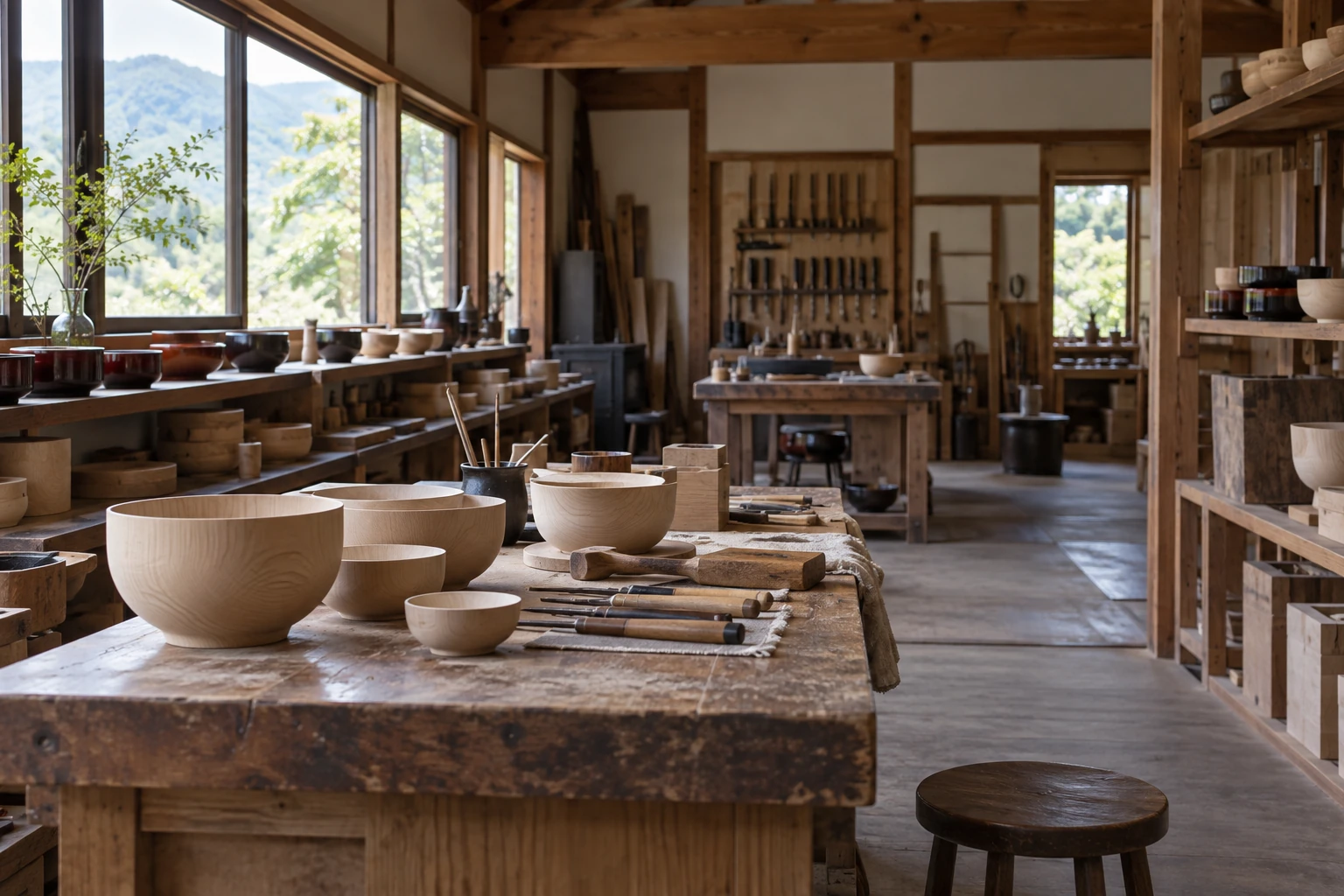
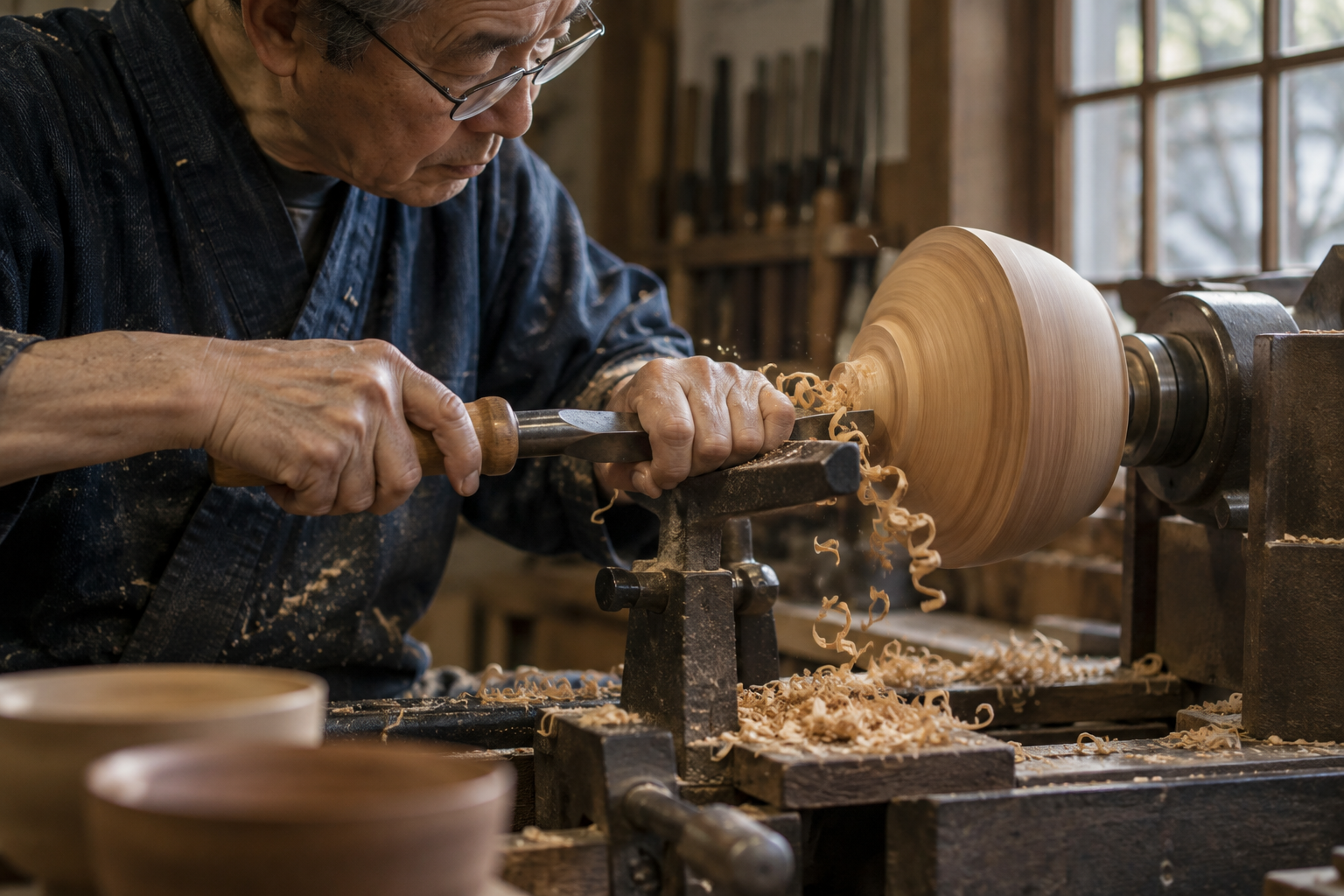
In 1897, Sokichi Mokudai began turning wooden bowl blanks for lacquerers. This remained the family trade for three generations. Timber was seasoned for years before turning. A lathe base installed by the second generation remains in the workshop.
Bringing lacquer into the workshop
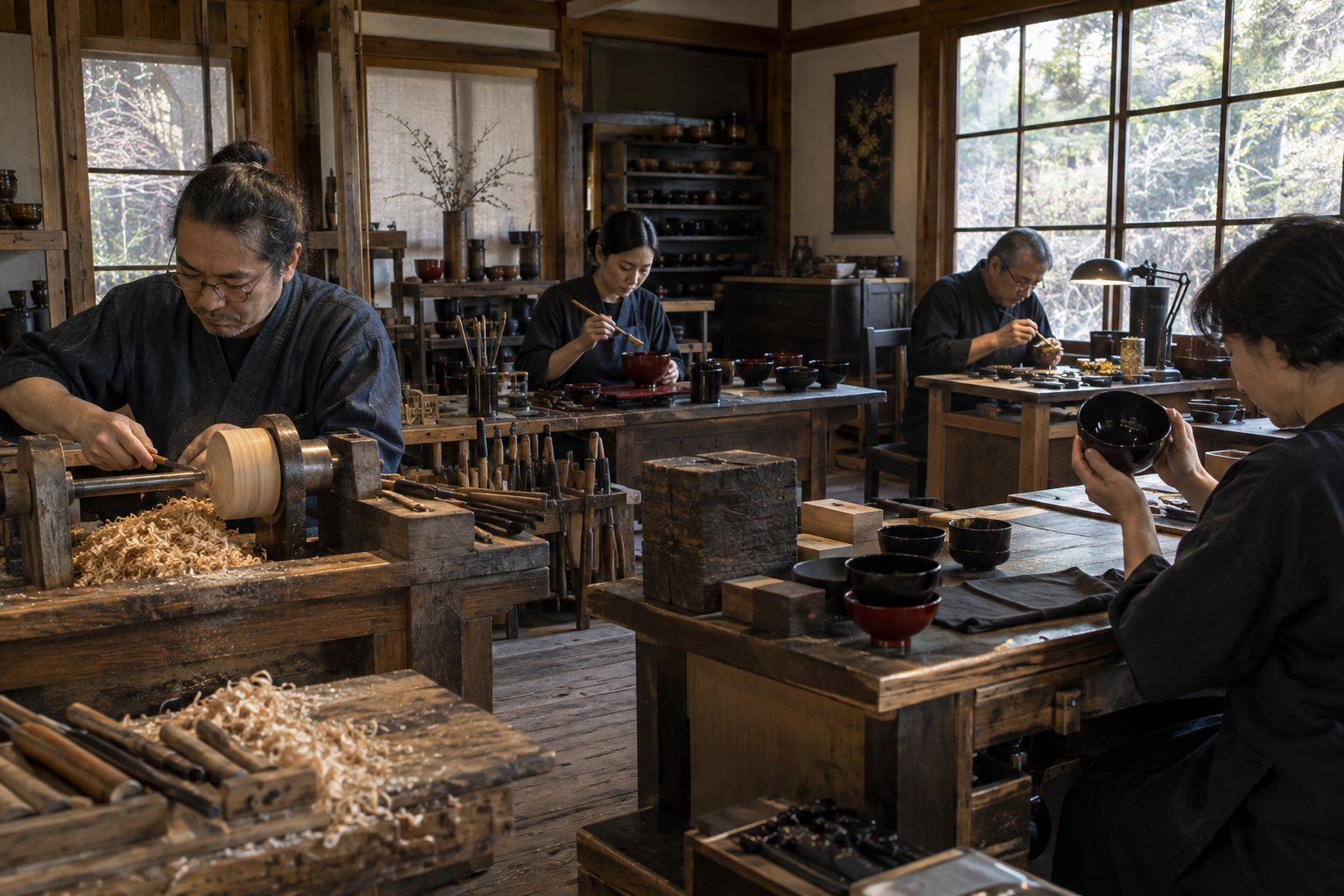
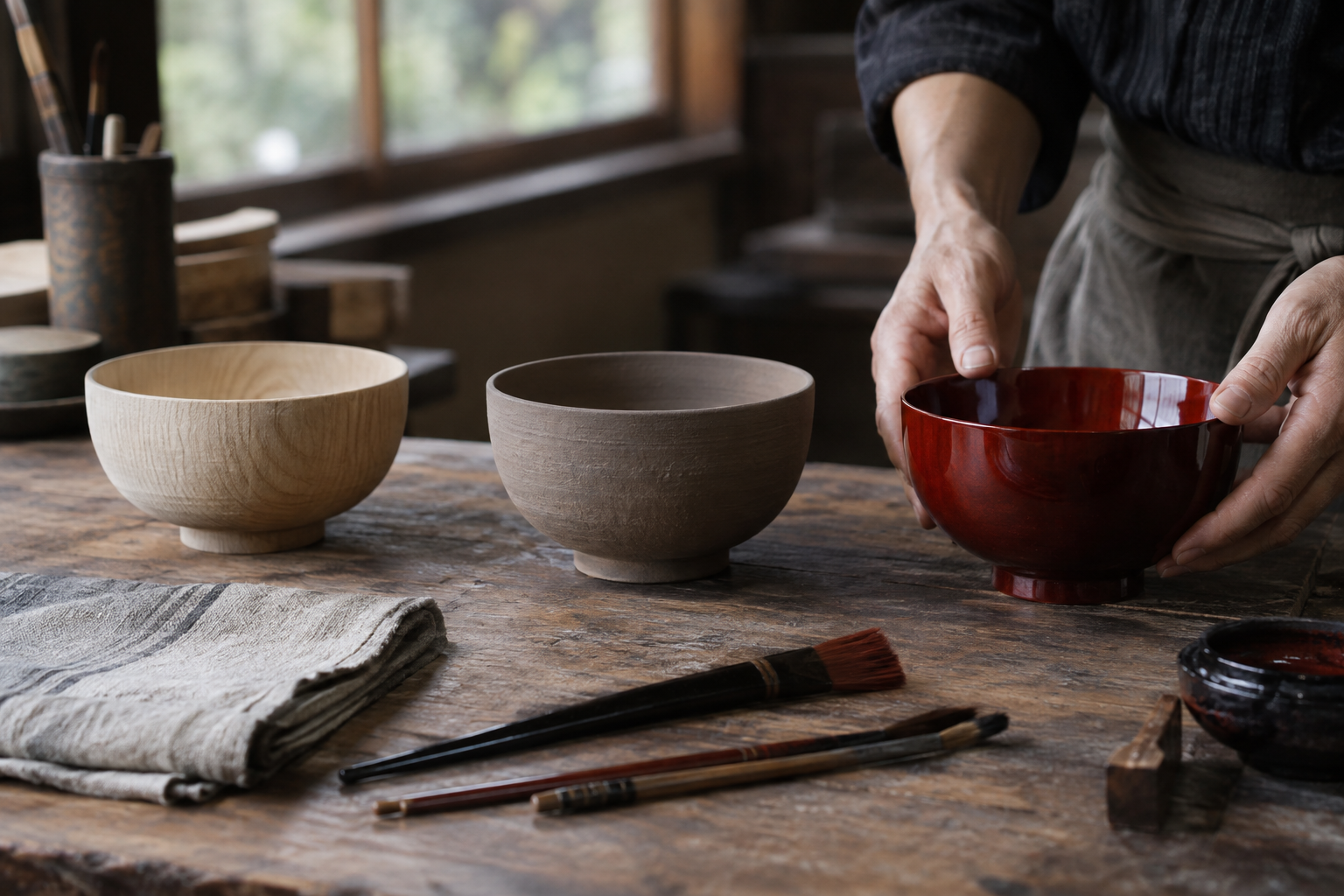
After the war, fourth-generation Sojiro invited a lacquerer to join the workshop, so the finished object could retain the shape he intended. Turners and lacquerers could now discuss thin rims and the foundation beneath them. Decoration joined them in 1971.
Choosing to make fewer pieces
During the 1990s, the fifth generation reduced annual production to one third rather than move towards mass production with synthetic materials. Revenue fell for several years, but the objects returned for repair a decade later. That work underpins our collection today.
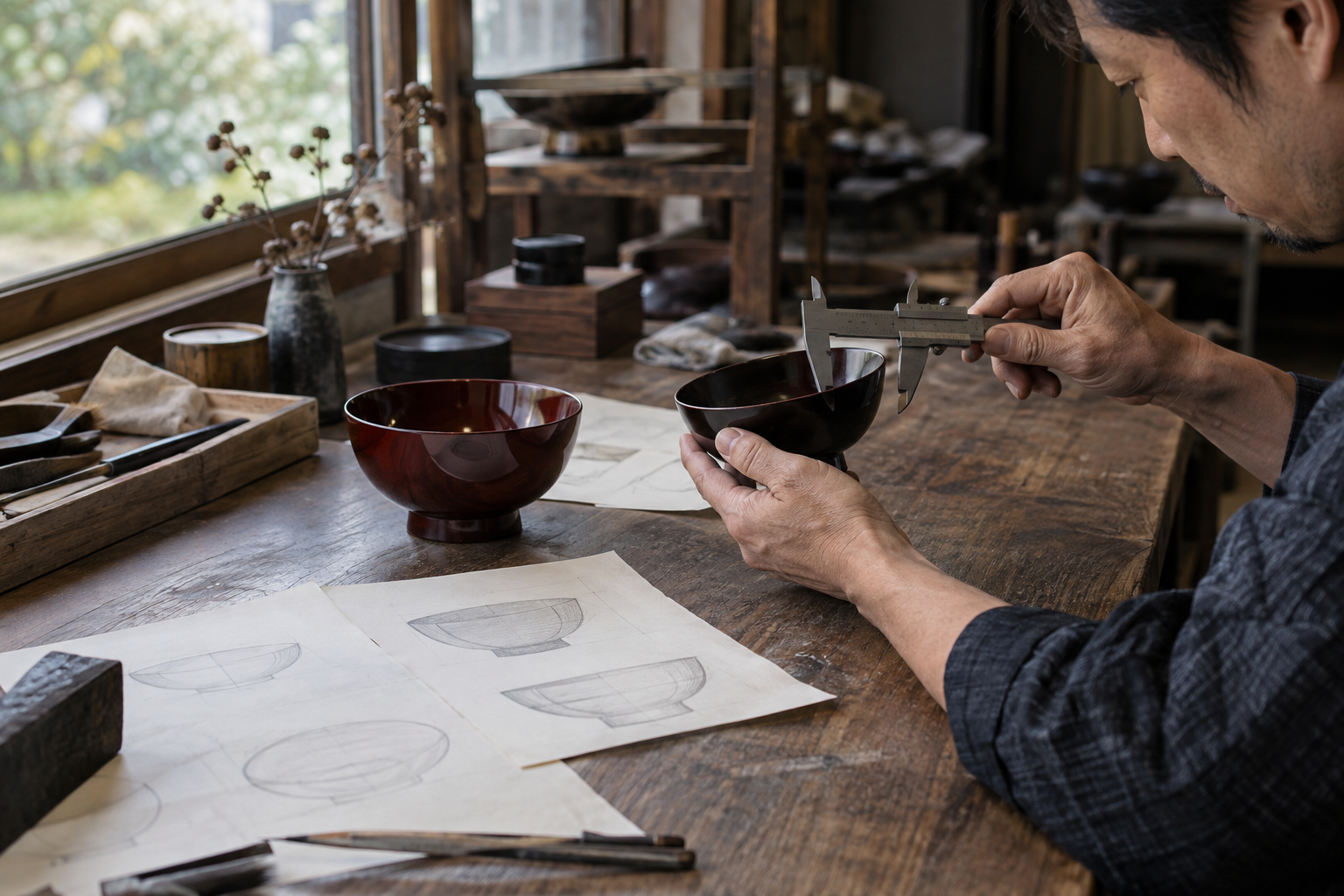
Designed to be repaired
A dedicated repair artisan joined in 2004. We accept pieces regardless of their maker, including inherited bowls and trays. Studying repairs feeds back into new work: foundations anticipate wear, and decoration is placed to withstand future polishing.
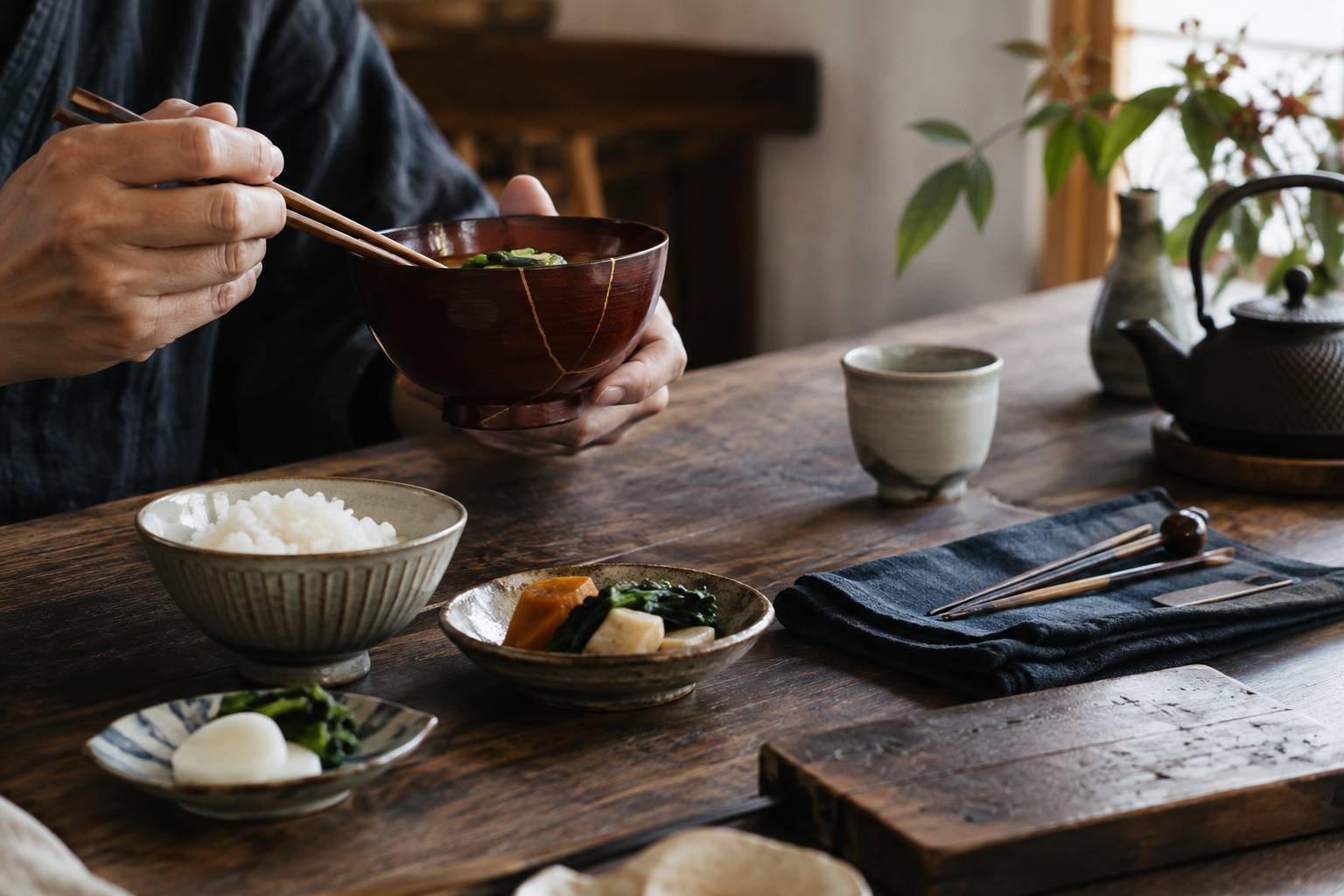
The sixth generation
I returned to this valley after working in architectural design in Tokyo, while searching for objects for the spaces I designed. Overseas customers ask why we choose a wood or process, how to care for the result, and what happens if it breaks. We want to answer those questions. Soichiro Mokudai, sixth-generation representative.