
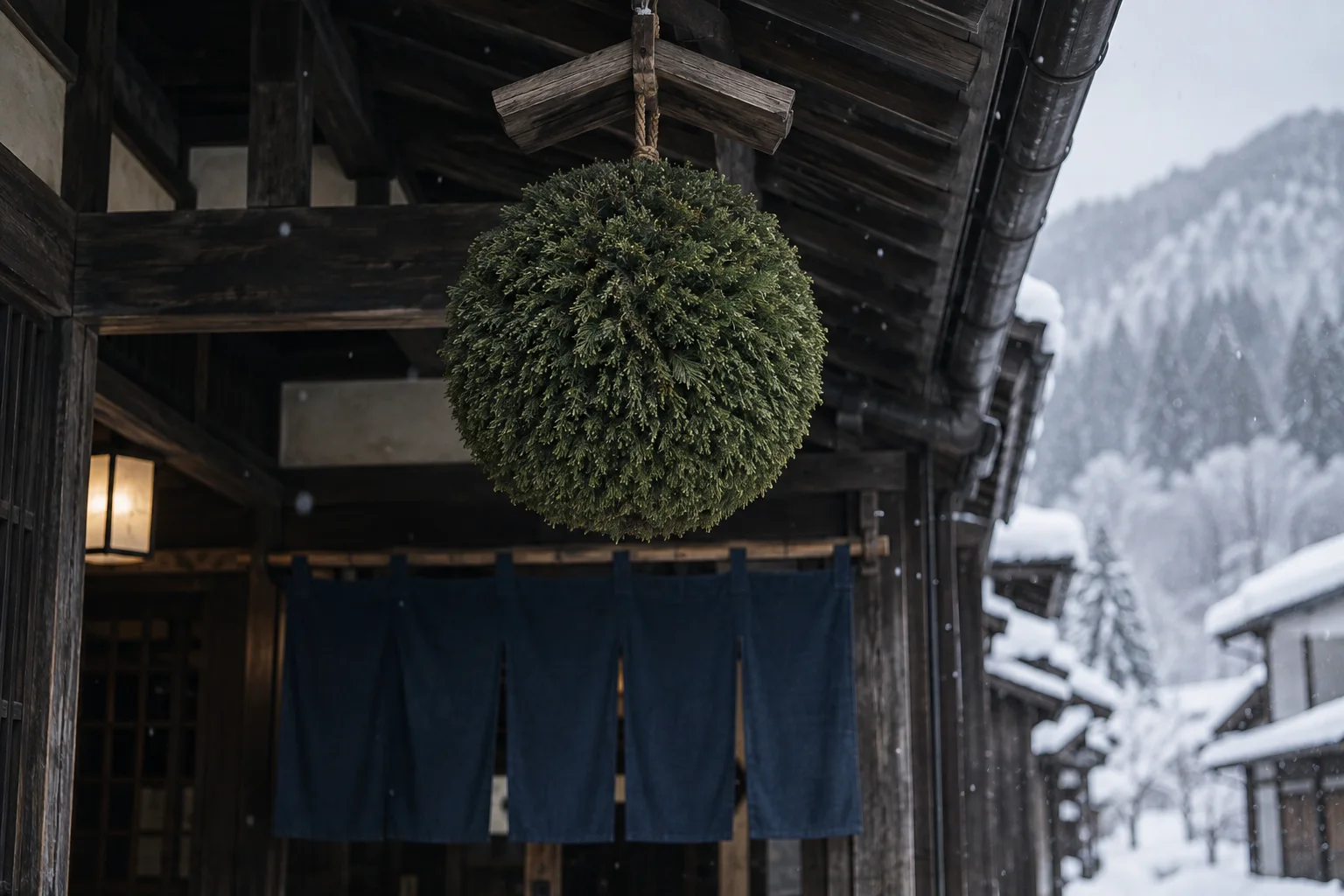
WinterTobei Shiboritate Nama Genshu (early December)
Shiboritate nama genshu is freshly pressed, unpasteurized and undiluted sake. Our first batch from the year's rice goes straight into bottles after pressing. At around 18% alcohol, it has a lively, youthful aroma and a robust flavor. Quite different from settled, mature sake, it is the bottle our brewers look forward to most. Released in early December at the shop and stockists on the same day. Keep refrigerated. 720 ml only.
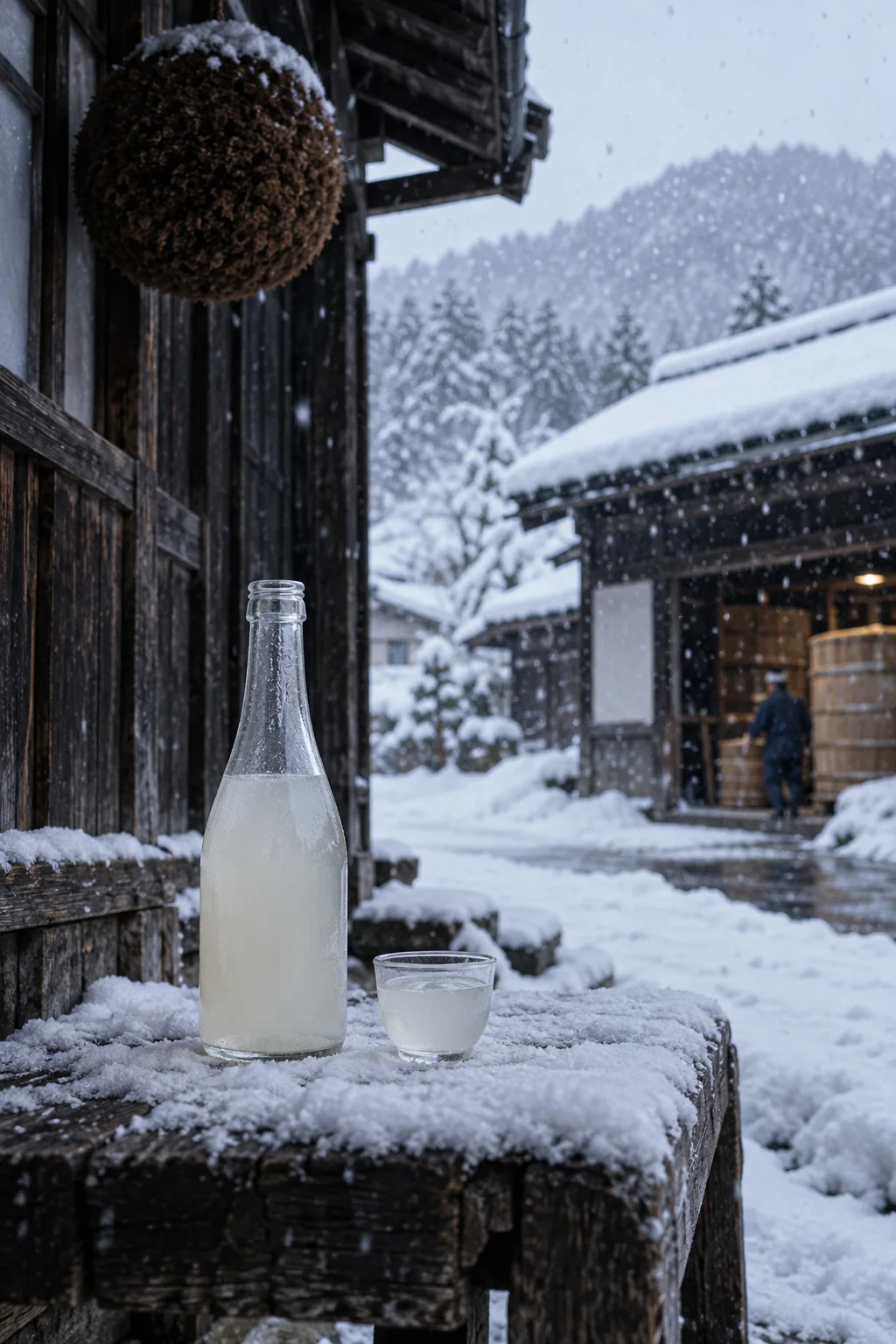
SpringTobei Usunigori (March)
Usunigori is lightly cloudy sake, made by leaving a little sediment during pressing. This pale spring sake is gently sparkling, light and slightly sweet. We ship it as the snow melts. It may foam when opened: chill thoroughly, keep the bottle upright and loosen the cap slowly. Released in mid-March. 720 ml only.
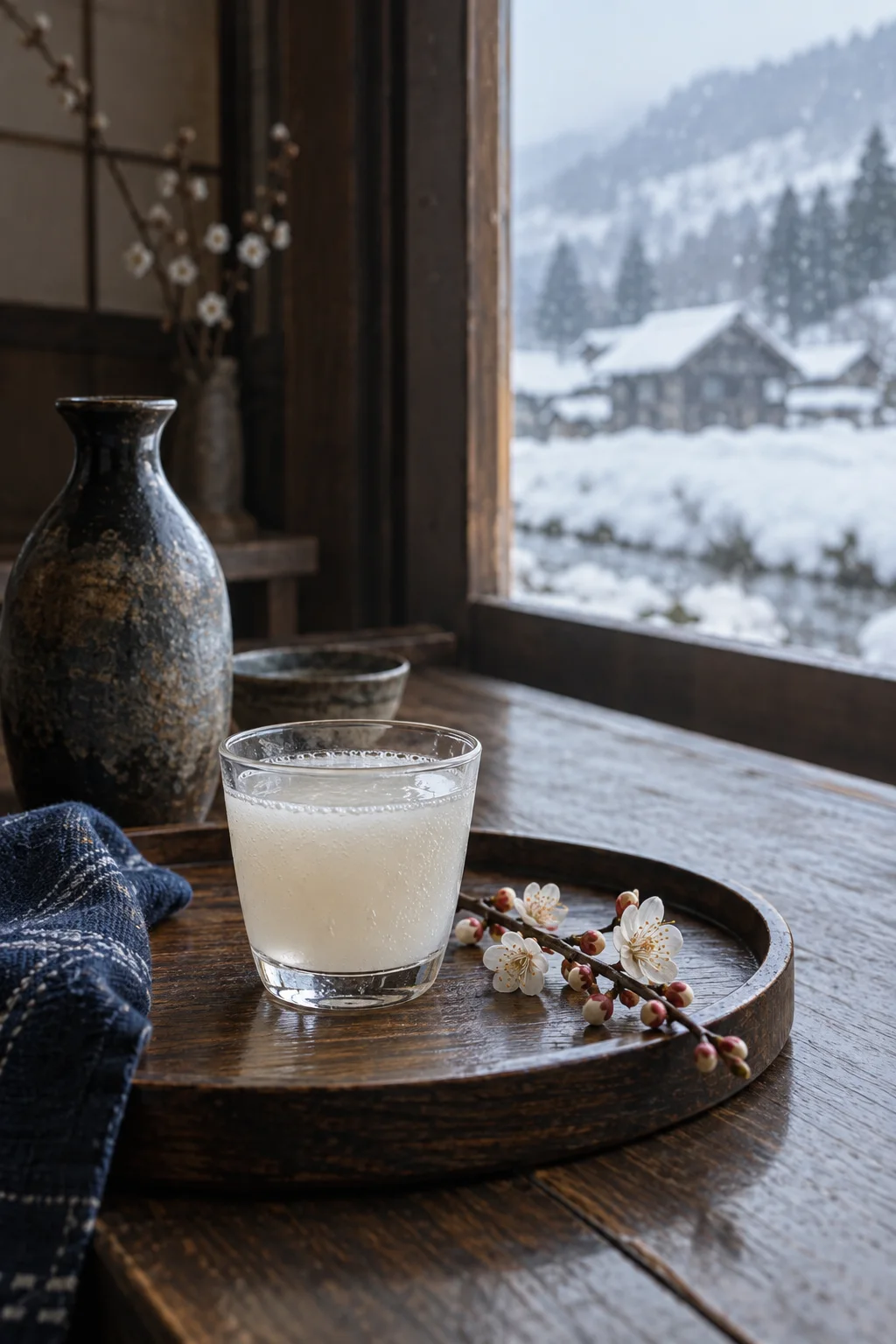
SummerTobei Natsu no Namazume (June)
Namazume is pasteurized once before storage, but not again at bottling. Our summer version has 14% alcohol and slightly higher acidity. Serve well chilled; it keeps its flavor even over ice. Available only from early June through the end of August. 720 ml and 1,800 ml.
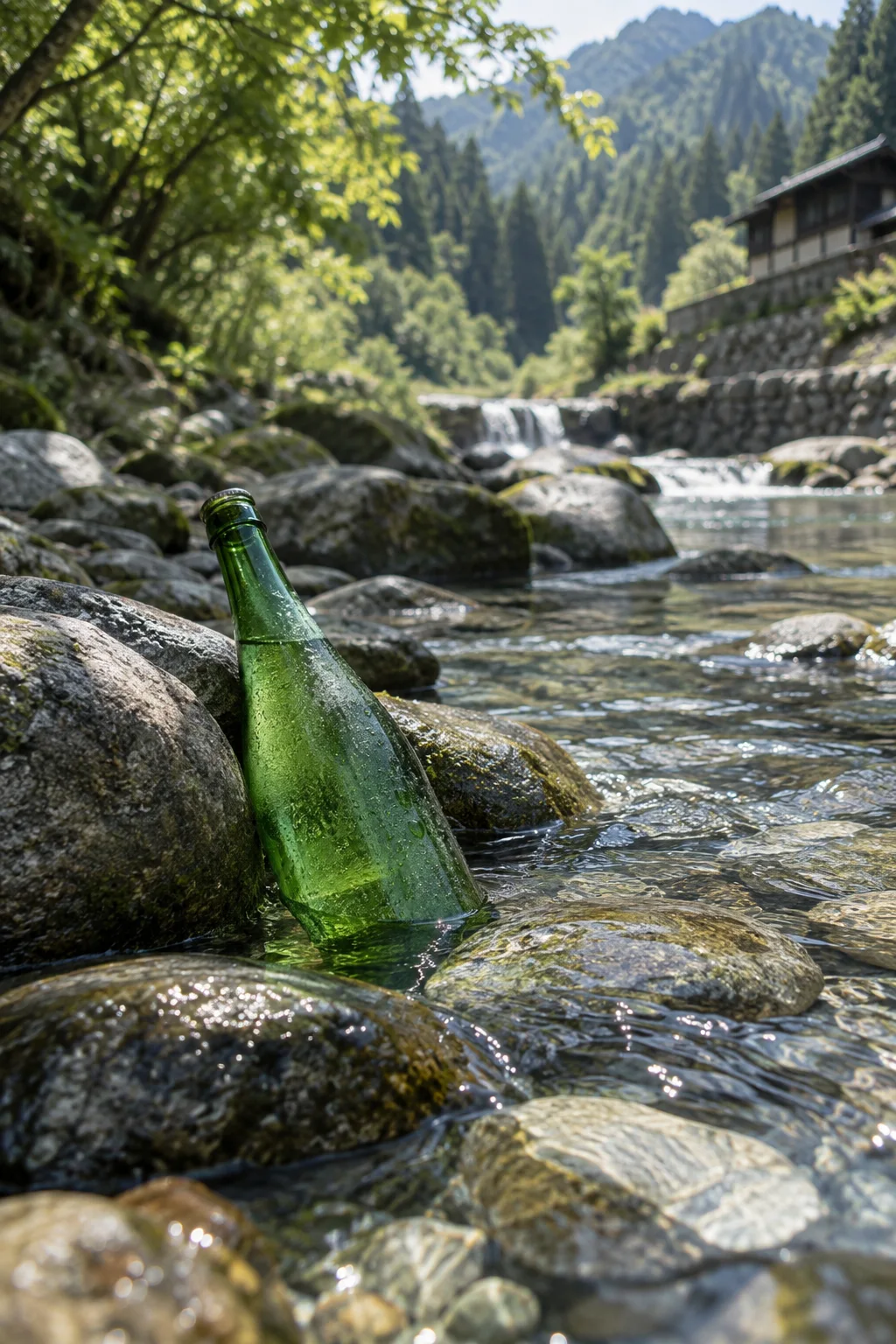
AutumnTobei Tokubetsu Junmai Hiyaoroshi (mid-September)
Hiyaoroshi is sake matured over summer for autumn release. Our special junmai is brewed without added alcohol in the previous winter, pasteurized once and aged through summer in the snow-cooled cellar. Time softens its edges and brings umami forward. Pair it with mushrooms, root vegetables or oily fish, or enjoy it gently warmed. Scheduled for release on September 18, 2026. Limited quantities in 720 ml and 1,800 ml.
Year-roundTobei Yukimuro Sannen Jukusei
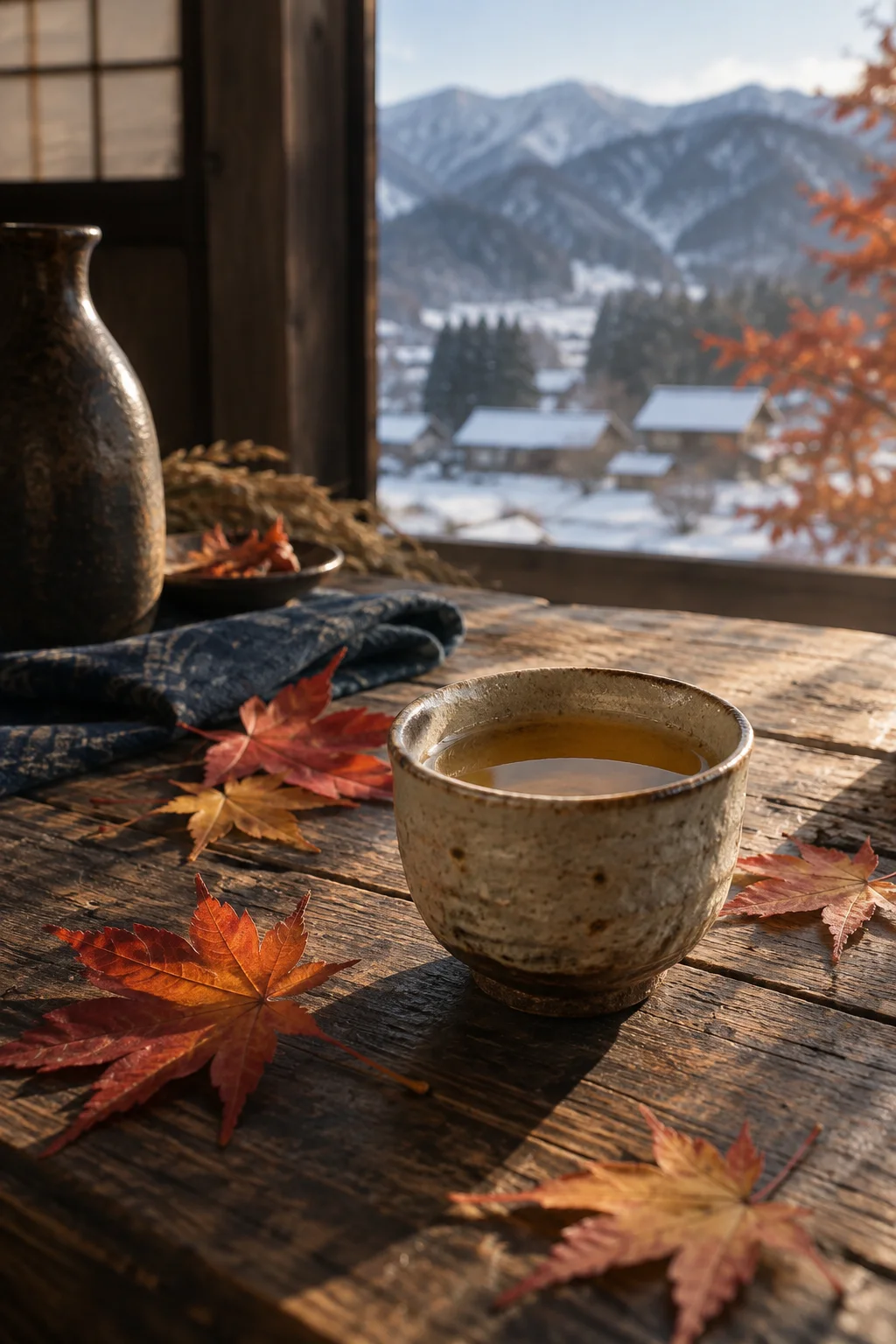
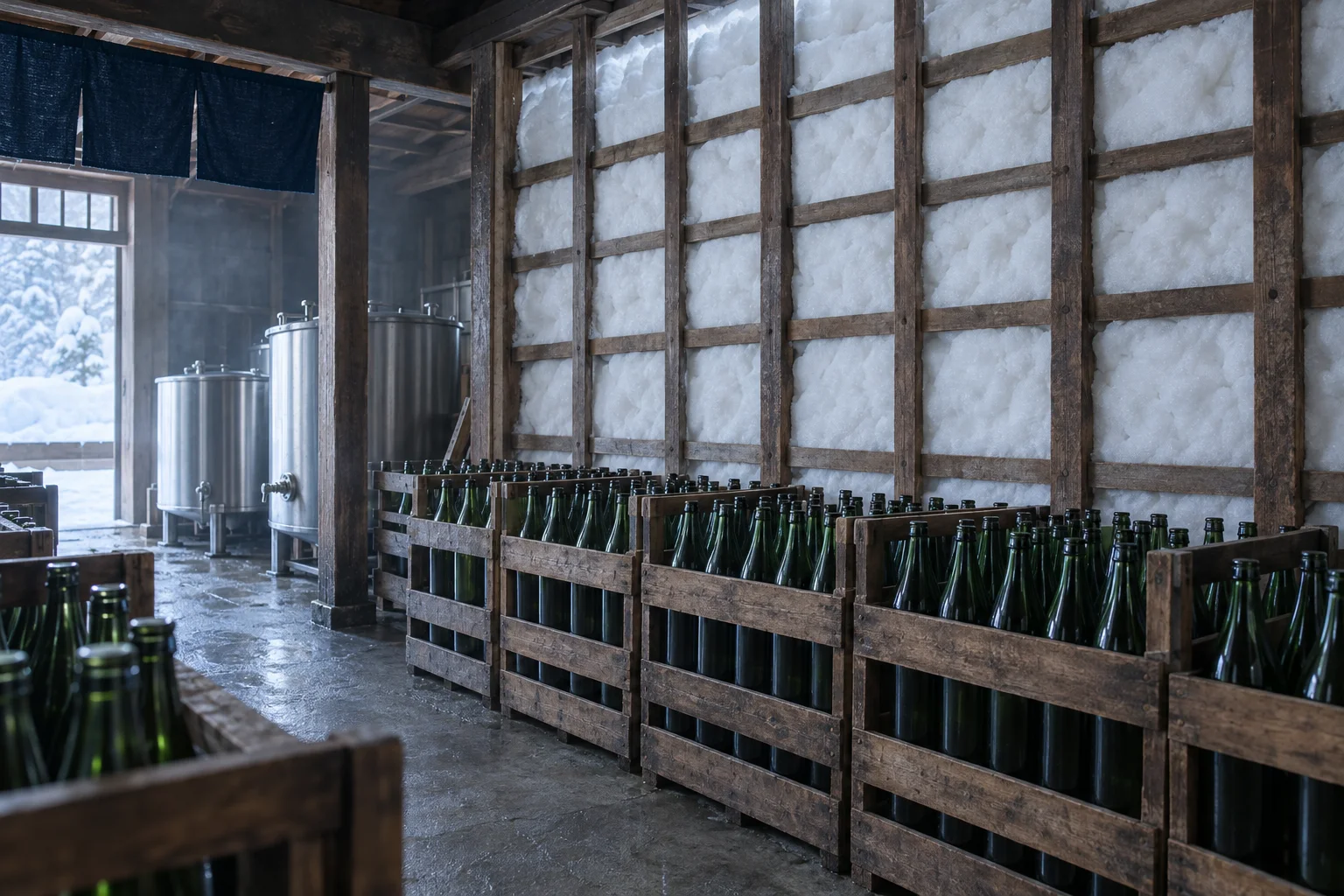
This junmai sake, made without added alcohol, spends three full years in our yukimuro (snow-cooled cellar). Pale gold in color, it smells of honey and dry wood. Its sake meter value, a density-based dryness indicator, stays at +3, yet the flavor is completely changed by aging. Enjoy small servings at room temperature or gently warmed. Available year-round in 500 ml bottles at our shop and selected stockists.
The year at a glance
- December
- Shiboritate Nama Genshu
- January-February
- New sake sold by volume (brewery shop only)
- March
- Usunigori
- April-May
- Yukimushiro Batch 1 (with plot number)
- June-August
- Natsu no Namazume
- September
- Hiyaoroshi
- October
- Yukimushiro Batch 2
- November
- Brewing begins with the new rice; kurabiraki (brewery open day) on the second Sunday
Release dates vary with the condition of each year's rice. Please check our news for current details.