

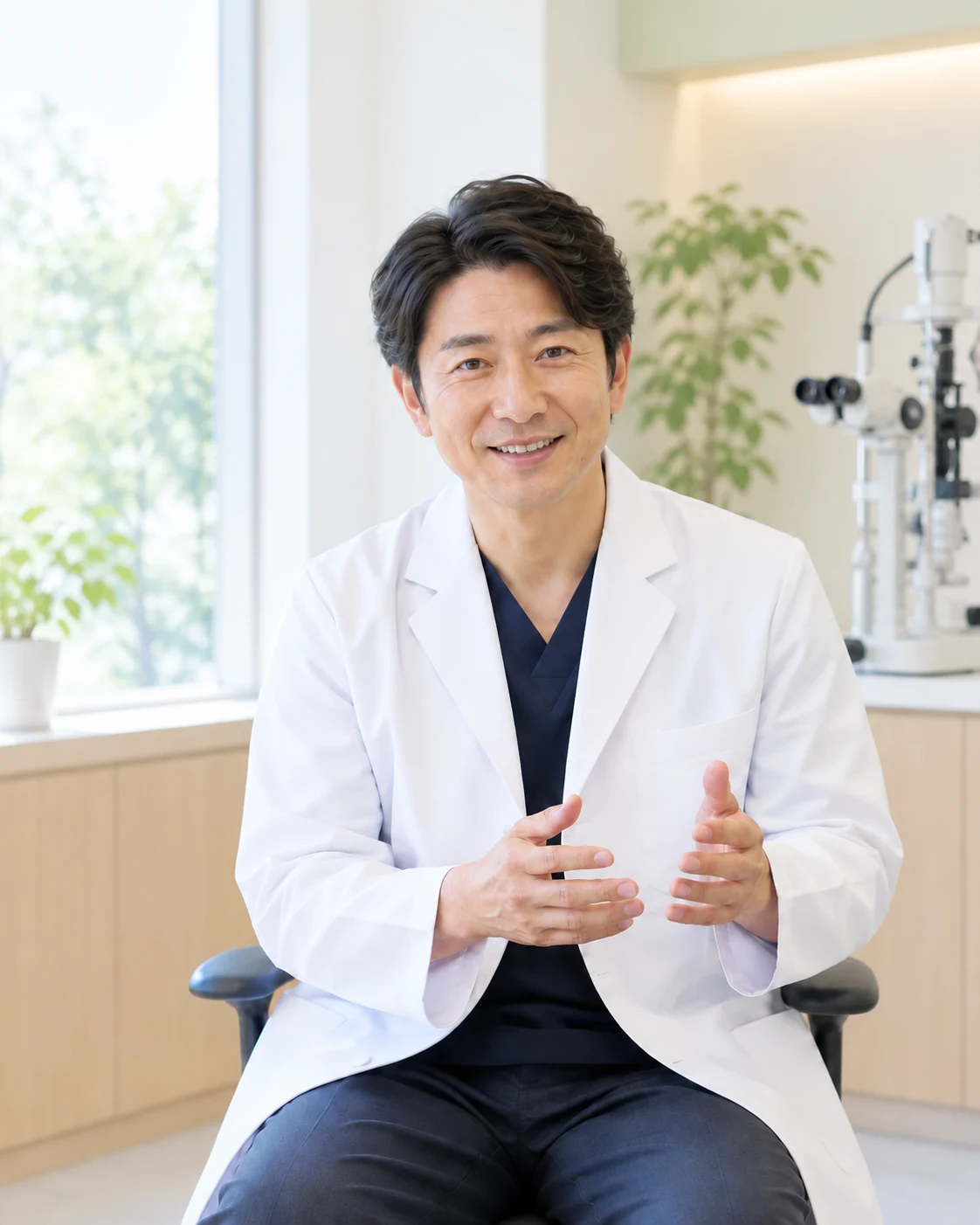
A welcome from our director
I am Keiichi Fujise, Medical Director of HIWADAI EYE CLINIC.
I spent 18 years at a university hospital and its affiliated hospitals, mainly treating cataracts and glaucoma. One concern stayed with me: many patients had extensive tests but went home without understanding the condition of their eyes. The measurements and images were there, but the explanation had not reached them.
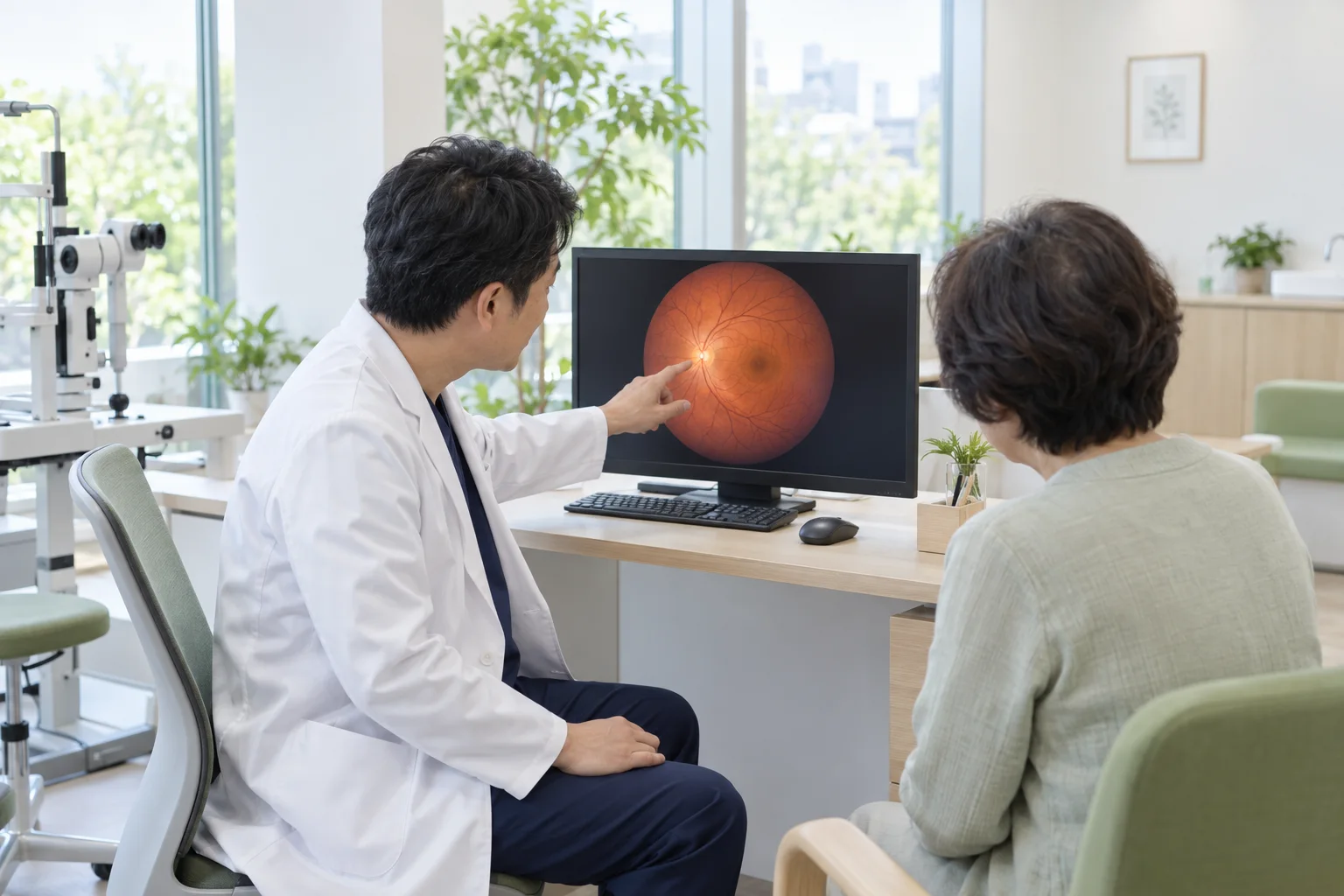
Since opening this clinic in 2016, I have shown test images on the consultation-room monitor alongside earlier results. I want you to see and understand the condition of your eyes before choosing your treatment.
How I approach your care
Many eye conditions are only noticed after they have progressed. With glaucoma, loss of peripheral vision may go unnoticed while central vision remains clear. Diabetic retinopathy may not change your sight until bleeding reaches the macula. Regular examinations matter even when you have no symptoms.
At the same time, I do not want to cause unnecessary anxiety. When an age-related change can be monitored, I say so clearly. If we decide not to treat for now, I explain why.
I also explain the boundary between care we can provide here and care best handled by a specialist hospital. Our facilities and staffing have limits, and being clear about them serves our patients.
Career
- 1998Graduated from medical school
- 1998Joined a university hospital ophthalmology department for initial clinical training
- 2001Joined a general hospital ophthalmology department, performing cataract and glaucoma surgery
- 2007Assistant Professor, university hospital ophthalmology department
- 2012Head of Ophthalmology, general hospital
- 2016Opened HIWADAI EYE CLINIC
Qualifications and memberships
- Board-certified ophthalmologist (Japanese Ophthalmological Society)
- Member, Japanese Ophthalmological Society
- Member, Japanese Society of Cataract and Refractive Surgery
- Member, Japan Glaucoma Society
- Member, Japanese Society of Clinical Ophthalmology
- Designated physician for visual disability certification under Article 15 of Japan's Act on Welfare of Physically Disabled Persons
Beyond the consultation room
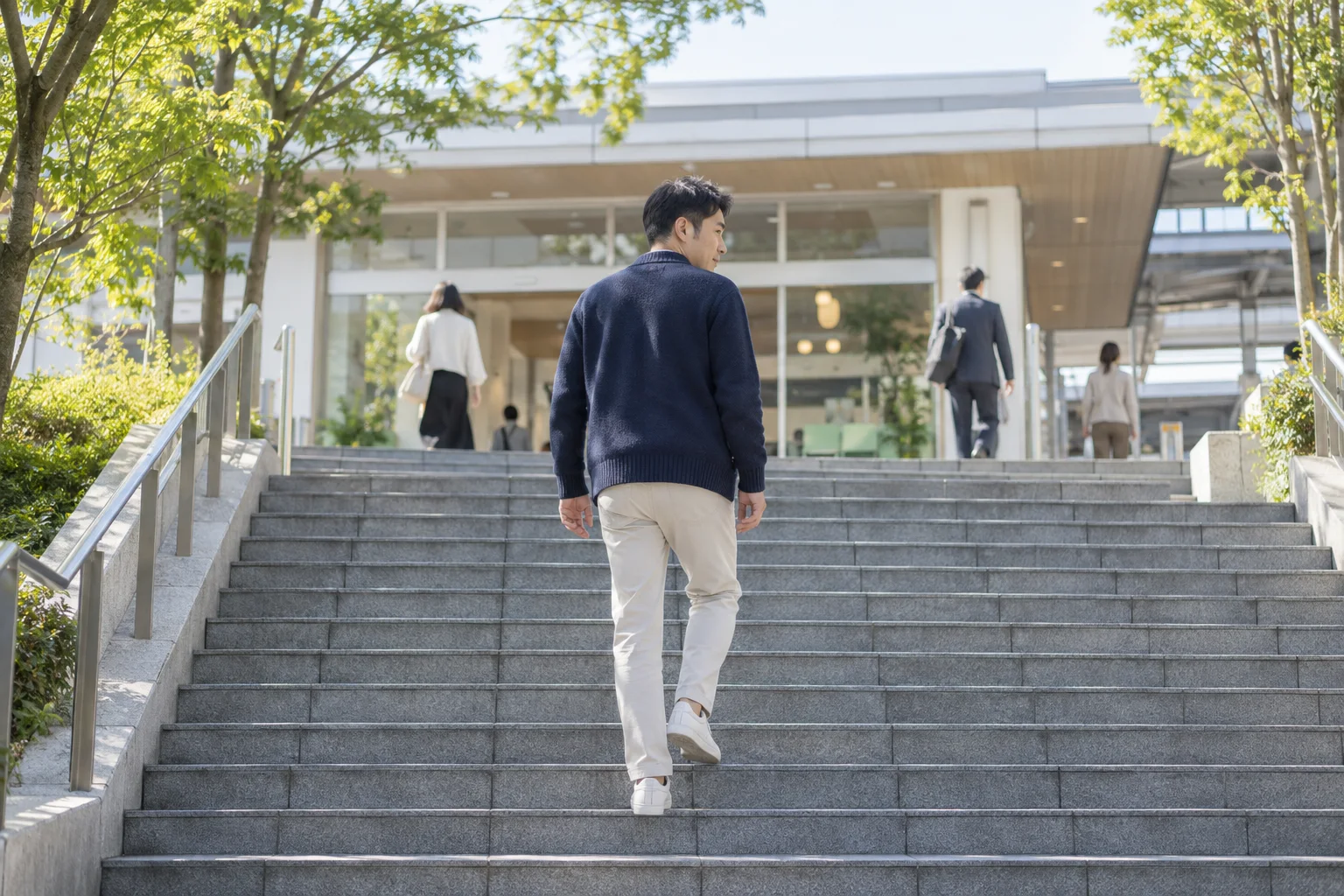
On Wednesdays, when general consultations are closed, I walk around the city after scheduled postoperative visits. In the 10 years since opening the clinic, I have started visiting the places patients mention: station stairs that are hard to see, or supermarket price tags that are difficult to read. Understanding the situations where people struggle reveals things that a visual acuity measurement alone cannot tell us.