SAFETY
Safety & compliance
PROCEDURE
Safety is a procedure
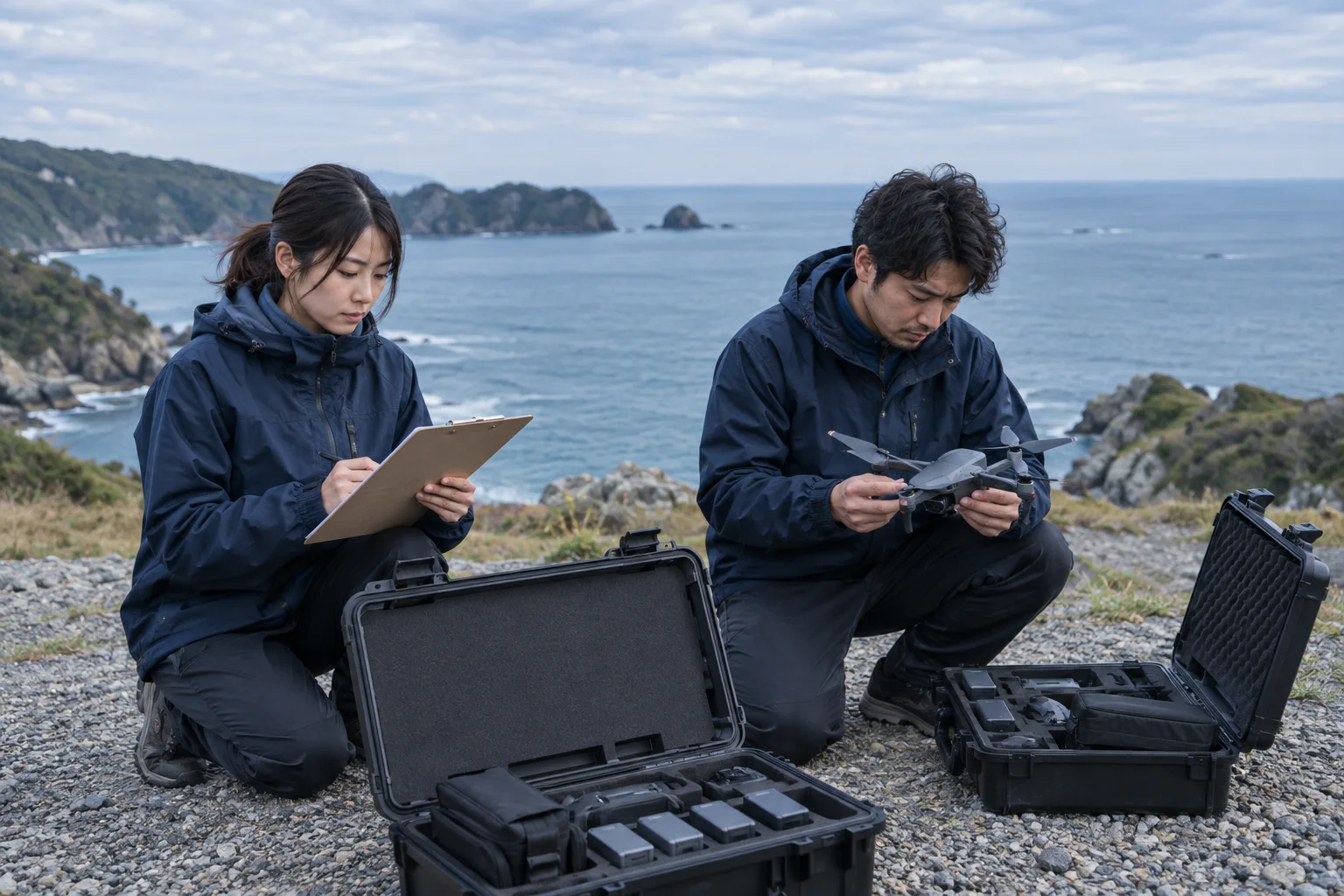
A promise to work safely needs a written account of who checks what, followed every time. We use checklists for each type of flight. Before takeoff, the flight lead and safety manager read through them together. We never skip this step. It matters most on the busiest days.
AVIATION ACT
Civil Aeronautics Act procedures
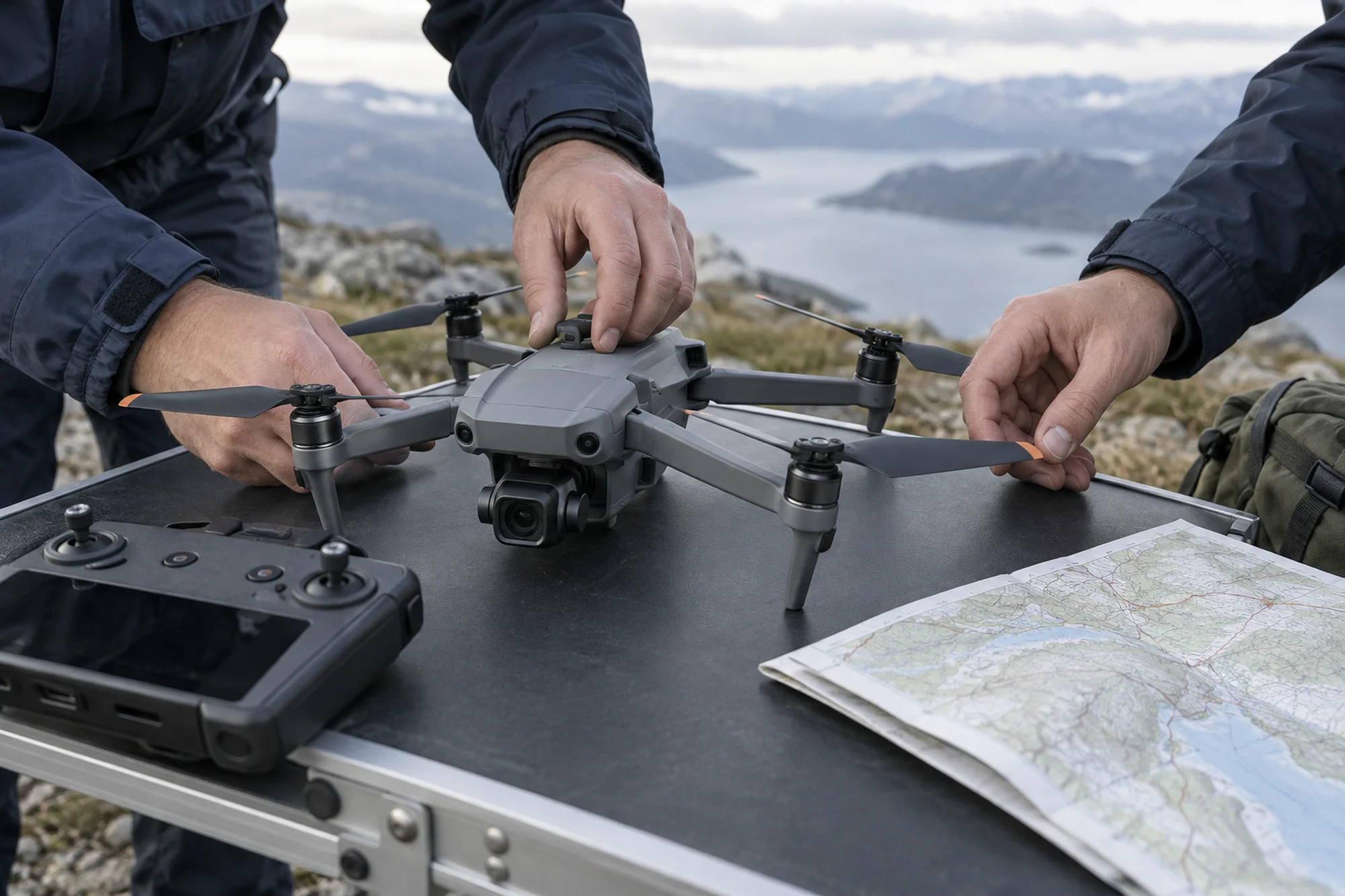
We register every aircraft weighing 100 grams or more with Japan's Ministry of Land, Infrastructure, Transport and Tourism (MLIT) and equip it with Remote ID. We obtain the necessary flight permissions and approvals through DIPS, Japan's online drone registration and flight application system.
Our comprehensive permissions and approvals cover flights over DID (Densely Inhabited Districts, census-designated areas of concentrated population), night flights, beyond-visual-line-of-sight flights, and flights within 30 meters of people or property.
Individual applications are required for flights over event sites, near airports, at heights of 150 meters or more, carrying dangerous goods, or dropping objects. Drone shows over event sites require an individual application every time.
Level 4 flights
Level 4 operations, beyond-visual-line-of-sight flights over populated areas without an observer, require a Class 1 unmanned aircraft pilot certificate, a Class 1 aircraft certification and an individual permission. We have two Class 1 pilots, but assess each Level 4 request individually, including the aircraft certification requirements.
CREW
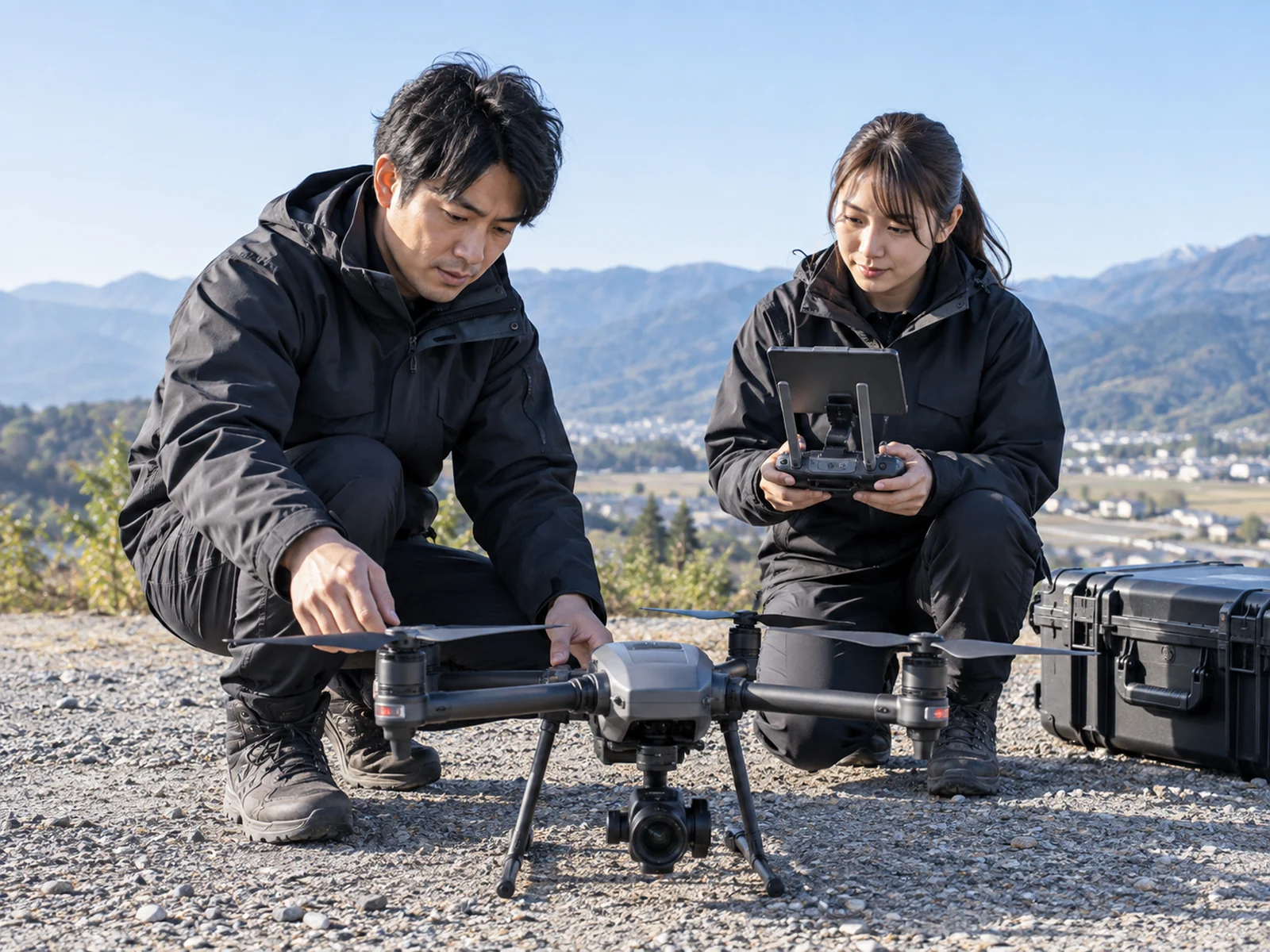
A qualified flight team
All 12 flight staff hold an unmanned aircraft pilot certificate, Japan's national drone pilot qualification: two Class 1 and ten Class 2. Certificates are valid for three years. We manage renewal dates internally so no one works in the field with an expired certificate.
Flight leads must also have at least 100 flight hours. At least one Class 1 certificate holder attends every show.
INSURANCE
Insurance
Our third-party liability insurance covers bodily injury and property damage up to ¥1,000,000,000 per incident. All our aircraft also carry hull insurance. If an event organizer holds separate insurance, we check for overlaps and gaps in advance. Please provide a copy of the policy.
SHOW SAFETY
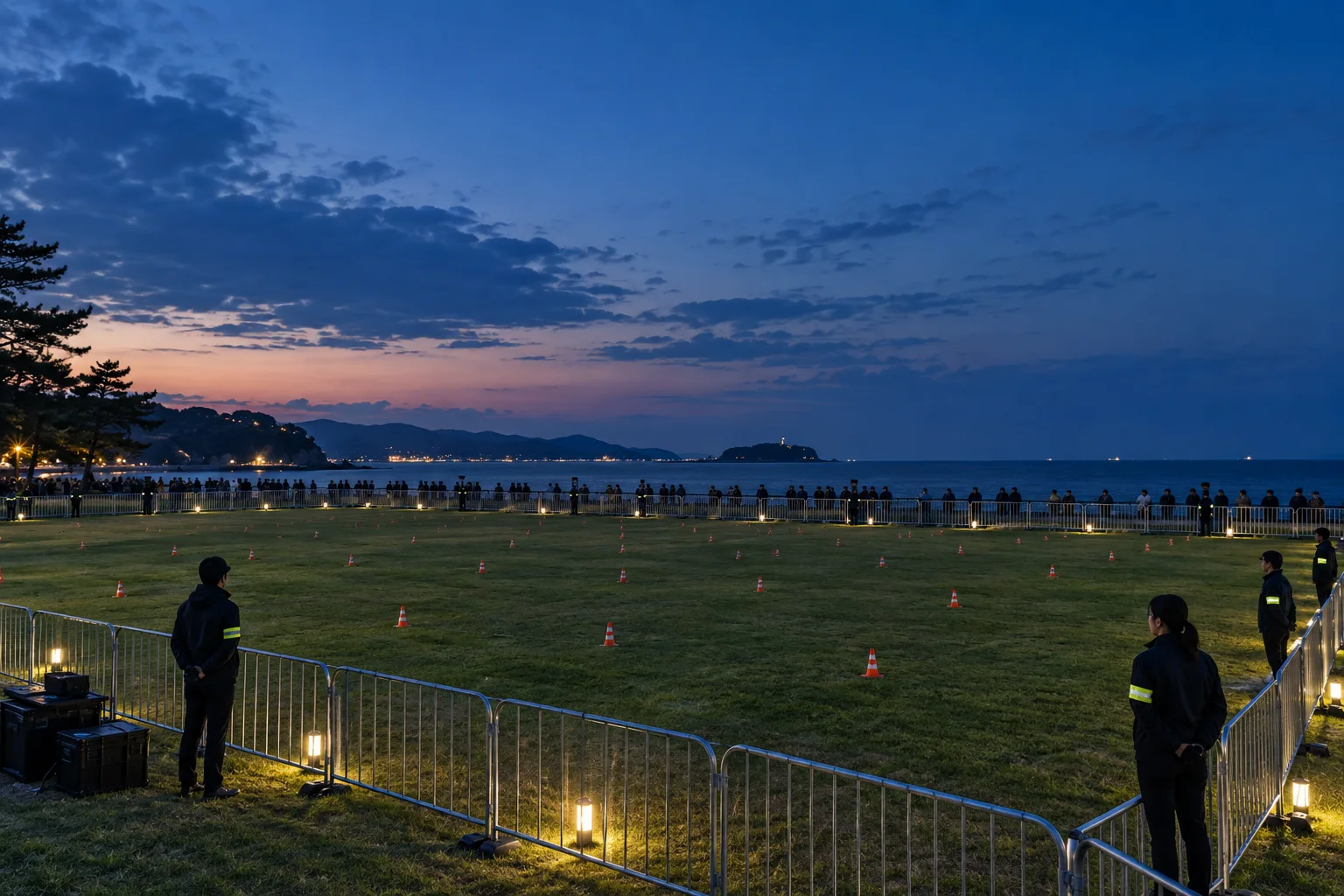
Safety design for shows
- Exclusion zones: A buffer outside the flight area allows for possible aircraft fall trajectories. Spectator seating is always beyond this buffer.
- Geofencing: Every aircraft is configured to stay within a defined three-dimensional flight boundary.
- Failsafe: An aircraft that loses communication automatically descends and lands in place while surrounding drones maintain their routes.
- Emergency stop: A switch held by the flight lead can bring all aircraft down to a safe altitude together.
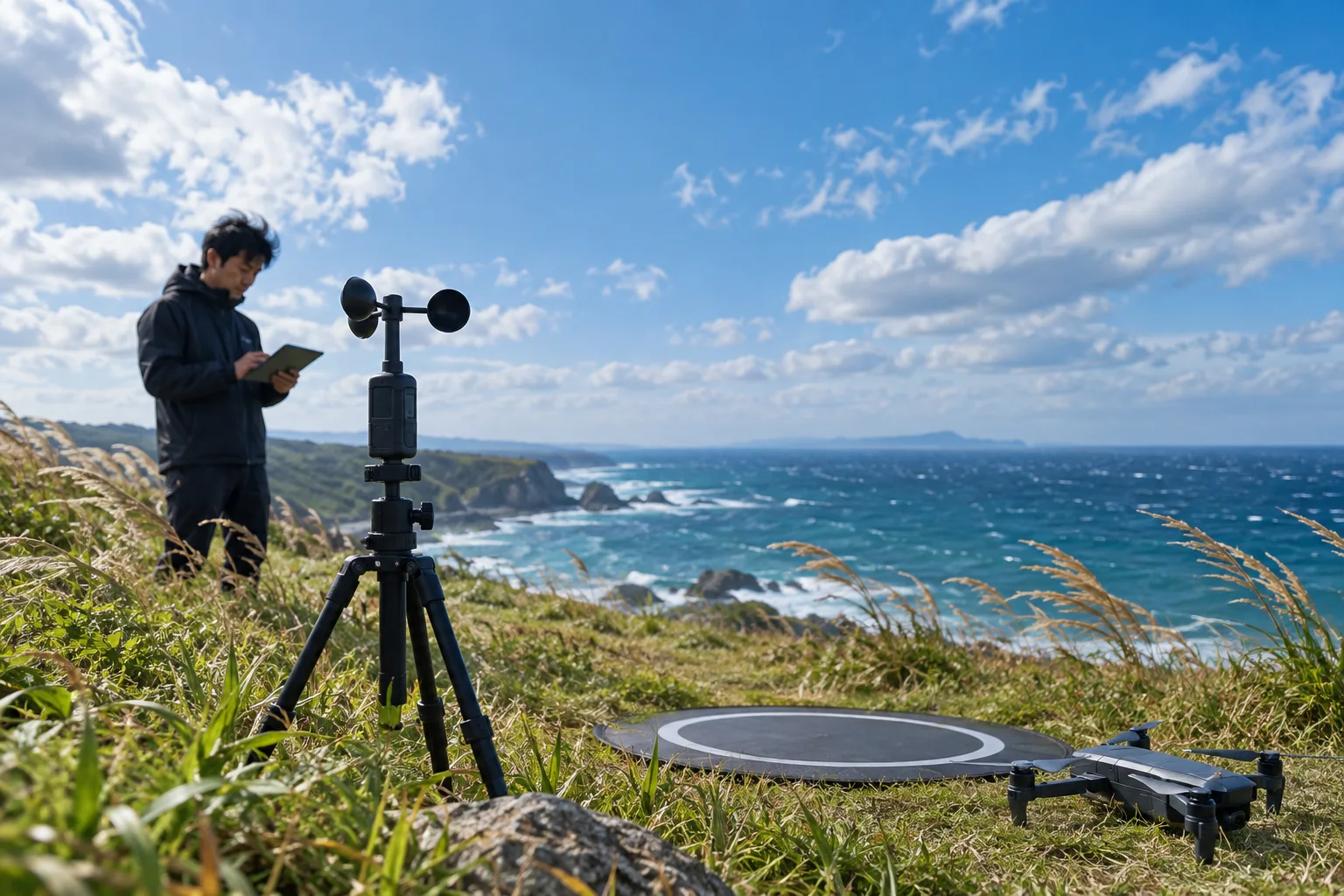
- Weather monitoring: We install an anemometer and record ground and upper-air wind every ten minutes. Exceeding a limit triggers a cancellation assessment.
GO / NO-GO
Go / no-go criteria
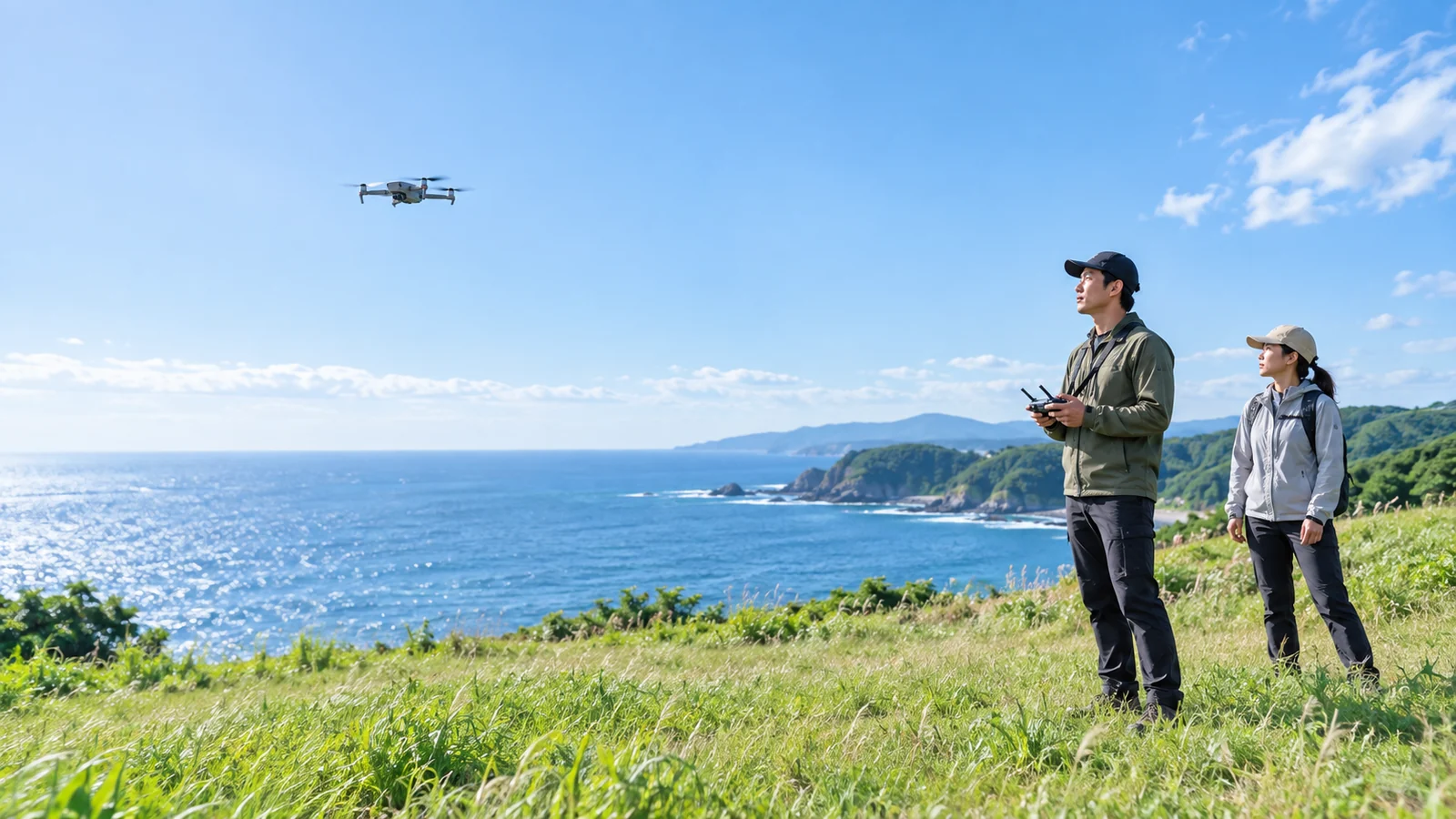
Our flight lead makes the final decision. We do not fly if ground wind exceeds 5 m/s, upper-air wind exceeds 8 m/s, visibility is below 500 meters, or there is a risk of rain or lightning. We assess forecasts in advance and monitor conditions on site. Stricter aircraft or permission limits take precedence. Criteria and cancellation costs are agreed in the contract.
CONTACT
Talk to us
You do not need a proposal or a detailed brief. Tell us who you want to reach and what you want to achieve.