
EQUIPMENT
Equipment & crew
CAMERA DRONES
Filming equipment
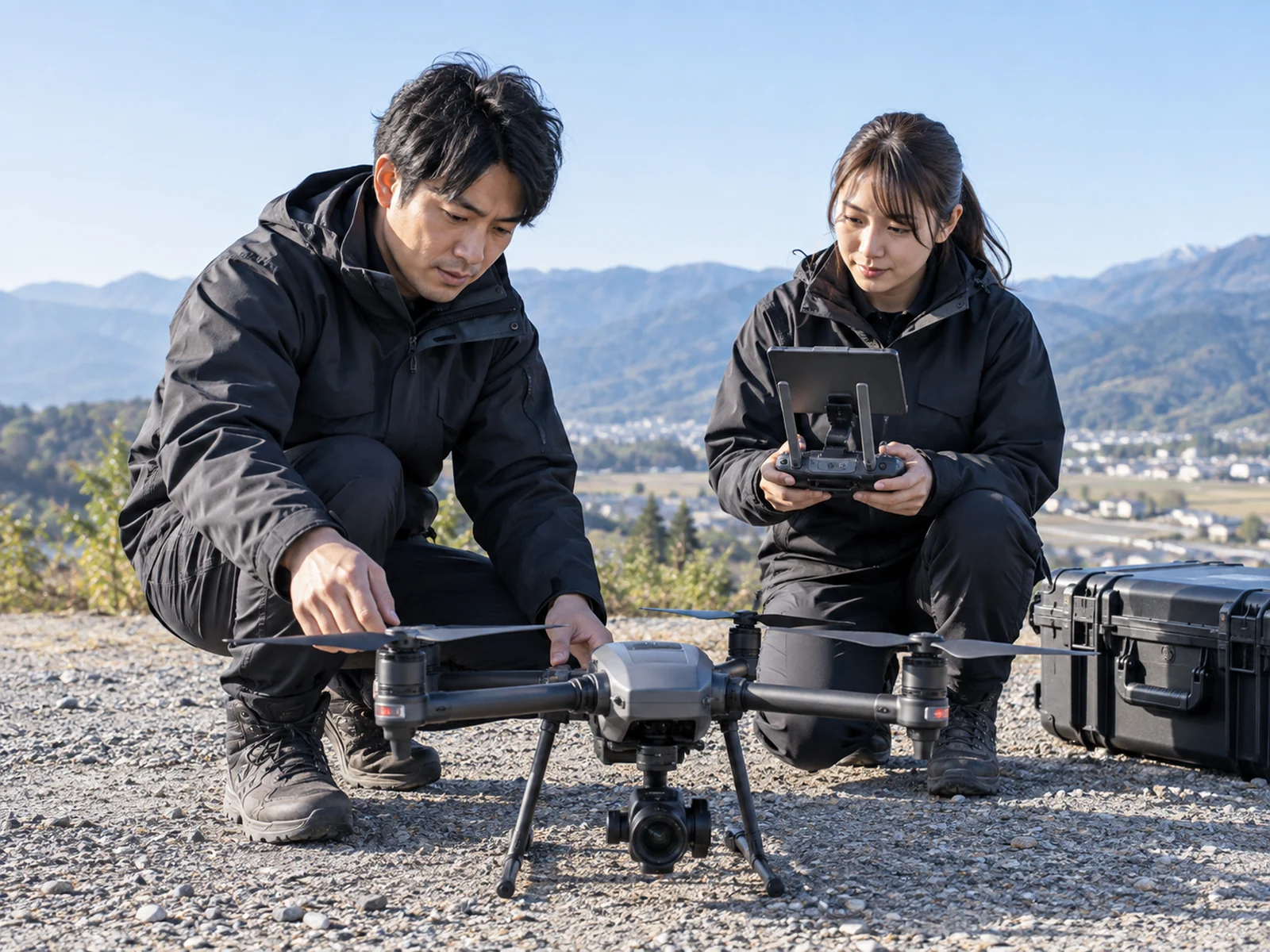
- Two large filming drones with full-frame sensors and up to 40 minutes of flight time
- Four medium drones for maneuverability, confined locations and fixed-view records
- Two small indoor drones with propeller guards for indoor and close-proximity filming
- One infrared camera drone for solar panel and facade inspections
We carry at least six spare batteries per aircraft and bring on-site charging equipment. We also own ground cameras, gimbals and audio recording equipment.
SHOW FLEET
Show fleet and ground equipment
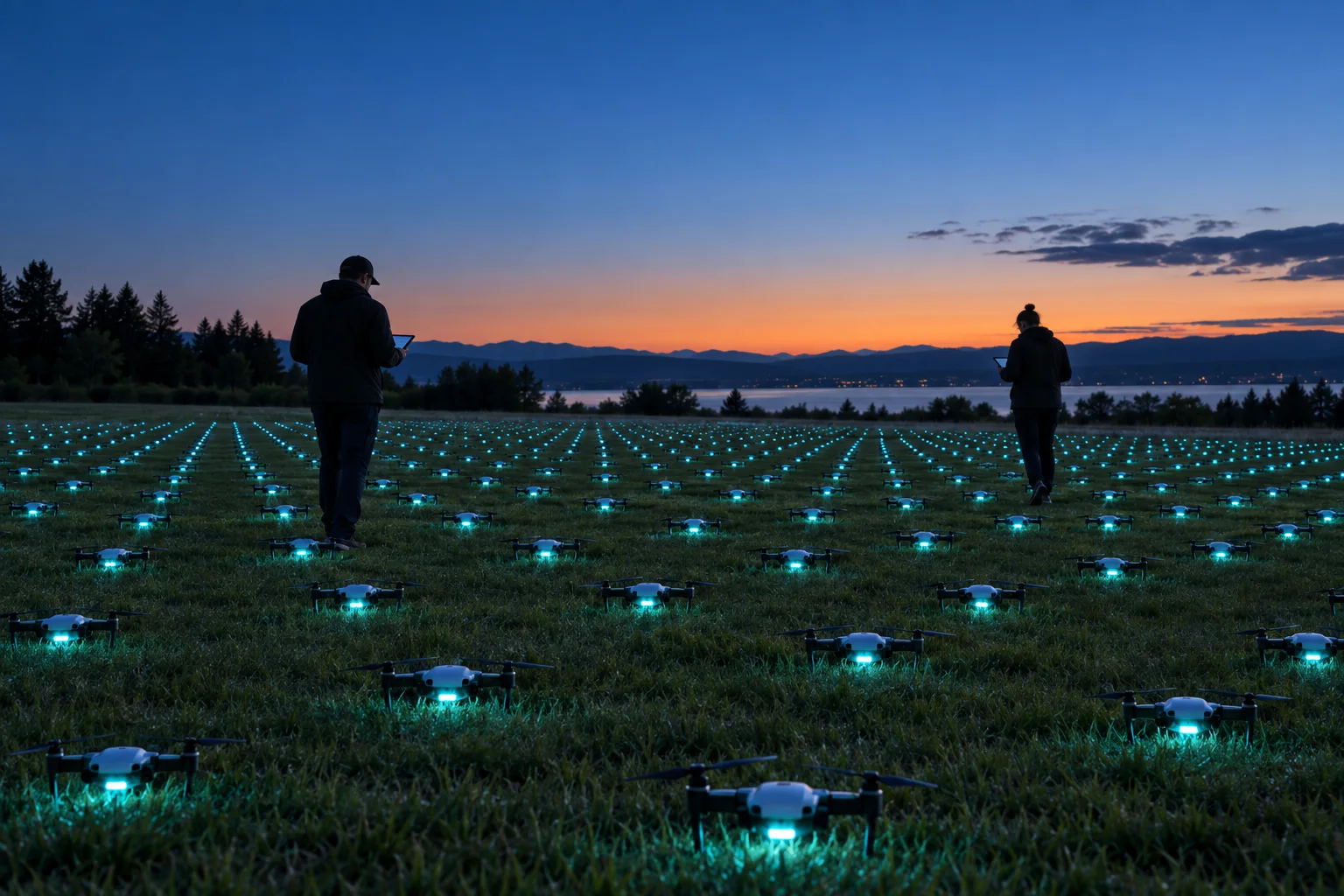
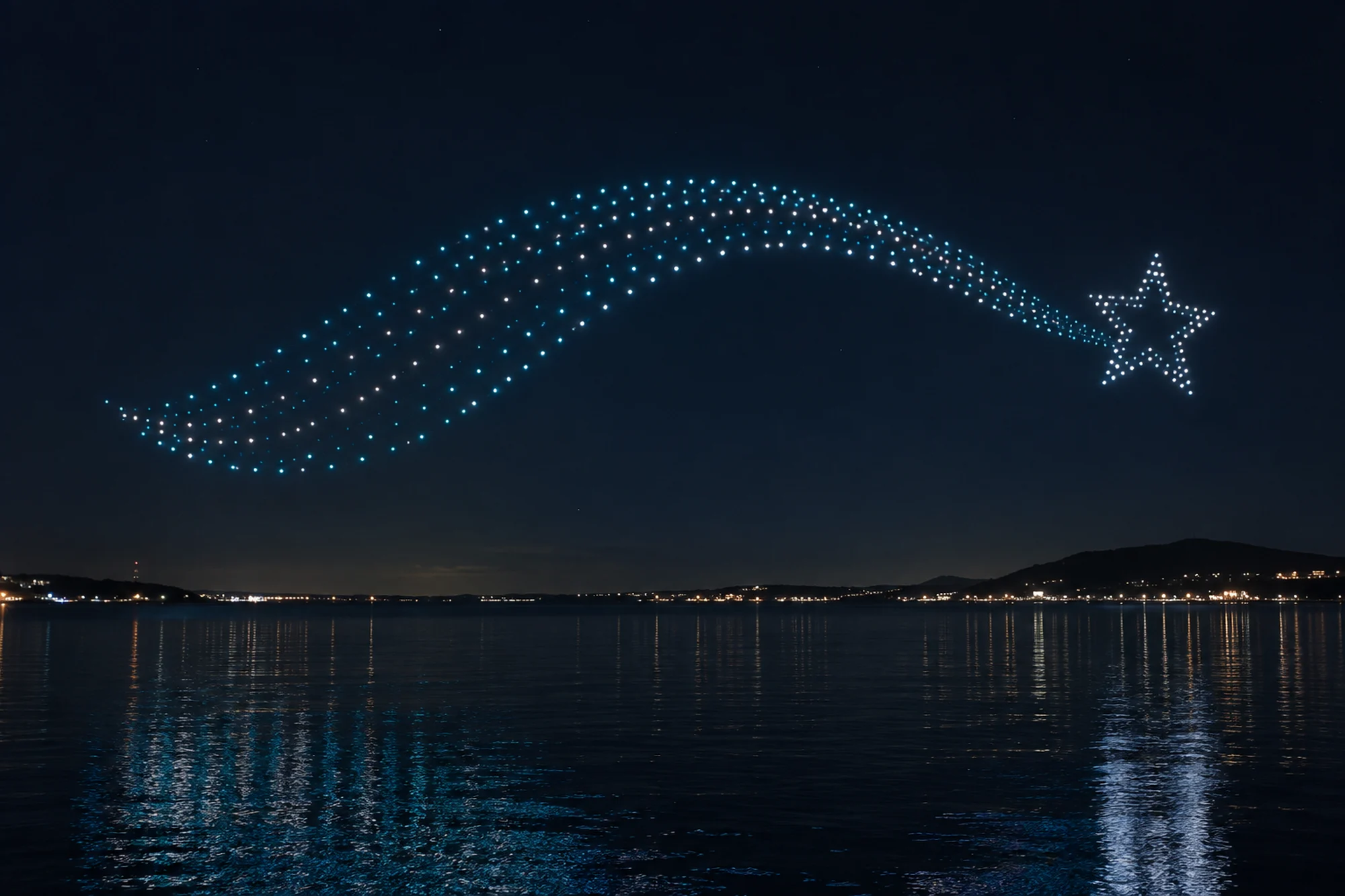
- 200 show drones, around 320 grams each, with RGB LEDs and around 22 minutes of flight time
- 24 spare aircraft, always brought to site for immediate replacement
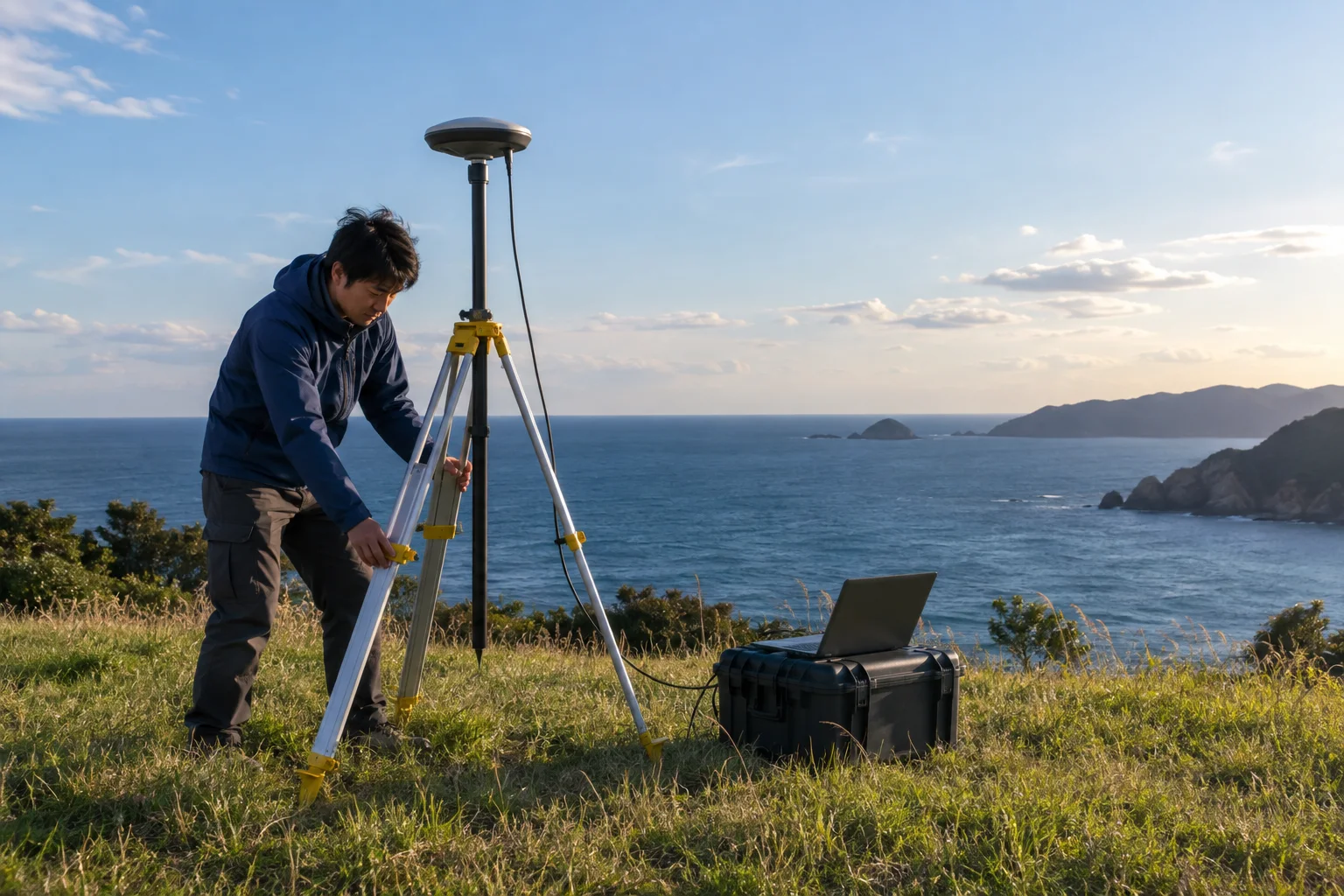
- Two RTK base stations, including one backup
- Two sets of control computers and communications equipment
- Two transport vehicles with aircraft racks, charging equipment and generators
Our own fleet means schedules are independent of rental availability. We record charge cycles for each battery and replace it at the prescribed count even if it still performs adequately.
POSITIONING
Positioning and synchronization
Standalone GPS can have errors of several meters, which is unsuitable for drones flying only a few meters apart. RTK-GNSS corrections let us maintain positioning within a few centimeters. Shared timecode keeps music synchronization and formation changes aligned. We always bring two base stations so we can switch if one develops a fault.
TEAM
Our team
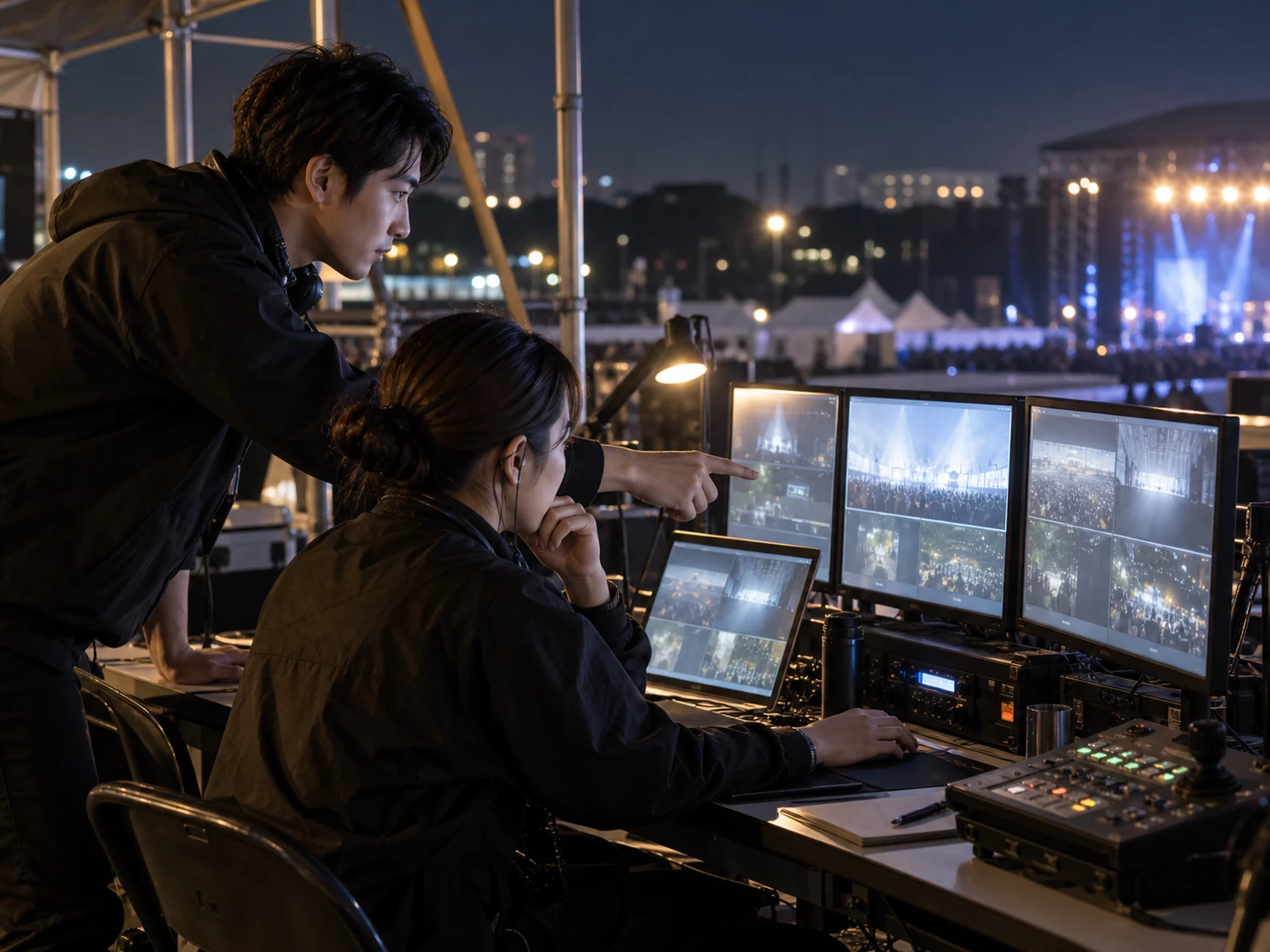
We have 18 employees: 12 in flight operations, four in film production and two in sales and administration. Show crews range from five to ten people.
- Flight lead (one): final responsibility for the decision to fly
- Safety manager (one): exclusion zones and weather monitoring
- Aircraft crew (two to five): setup, battery changes and replacement of faulty aircraft
- Control operator (one): running flight programs and monitoring aircraft status
- Documentation (zero or one): filming the event
Aerial filming normally uses a pilot and an observer. A film director joins when the production requires it.
CONTACT
Talk to us
You do not need a proposal or a detailed brief. Tell us who you want to reach and what you want to achieve.