
Lower-back pain
We look beyond where it hurts to how you move and use your body each day.
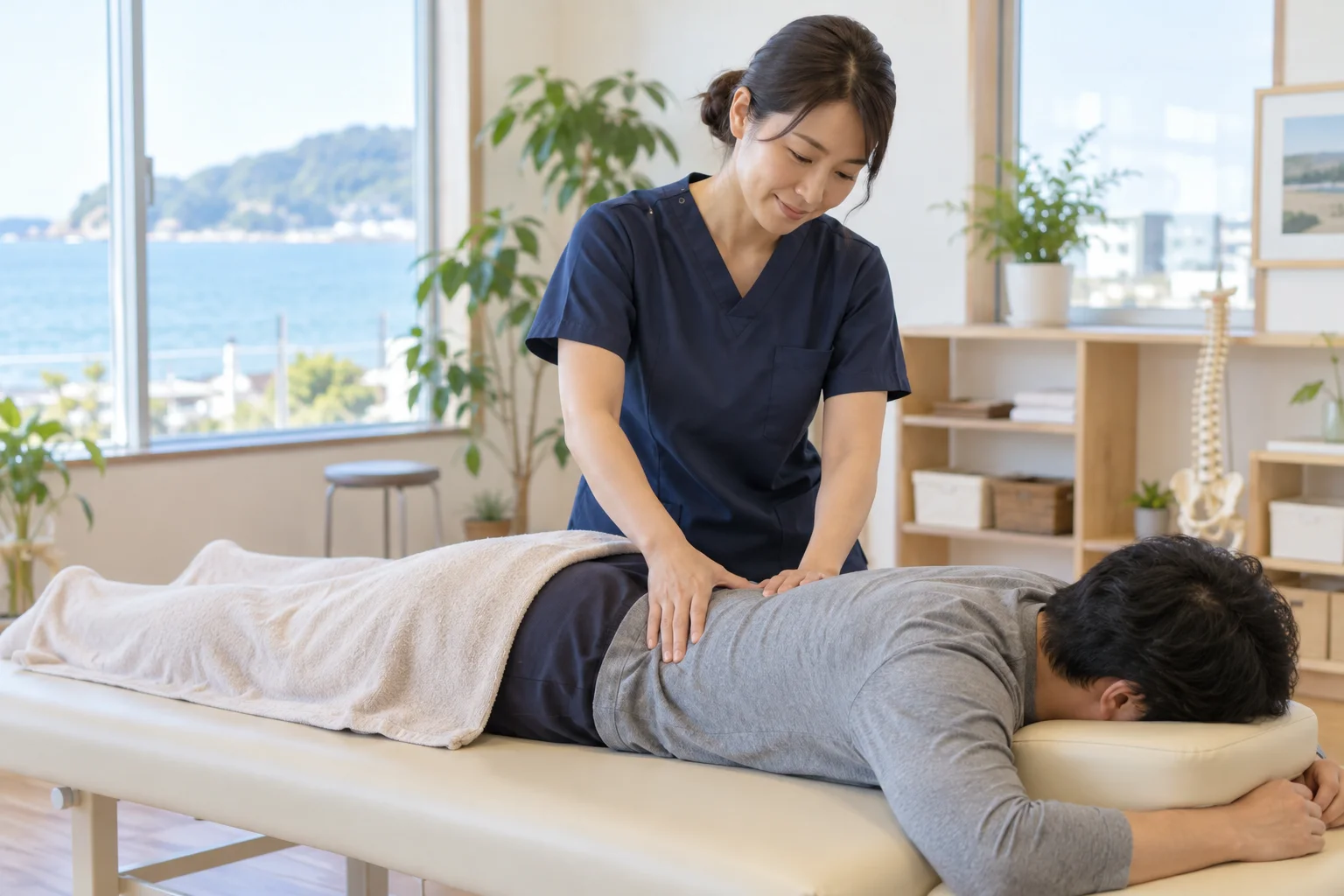
Do these lower-back symptoms sound familiar?
- The first movement out of bed is painful
- It takes time to stand after sitting for a long time
- You are afraid to bend down to put on socks
- Your back seized up while lifting something heavy
- Pain continues even though imaging found no abnormality
- Patches and painkillers help briefly, but the pain returns
Lower-back pain often starts elsewhere
The lower back sits between the hips and upper back, often compensating for limited movement above or below it. When stiff hips prevent you from bending normally, your lower back takes over. Similarly, a stiff, rounded upper back can leave the lower back doing much of the work when you twist.
The lower back may be the overworked area rather than the source of the problem. Temporary relief after massage can fade because the pattern concentrating strain there has not changed. We always assess hip and thoracic spine movement.

If your back suddenly seizes up
Severe acute lower-back pain often qualifies for Japanese public health insurance when it results from an eligible injury. Avoid forcing movement and call us first.
Inflammation is typically present during the first 48 hours. Strong massage or stretching at this stage can prolong symptoms. We begin with support to rest the affected area and care to reduce surrounding tension, then work on movement as pain settles.
If you also have leg numbness, weakness or changes in urination, we recommend seeing an orthopedic doctor rather than receiving treatment here. We will tell you clearly when this applies.
Our approach to treatment
During the acute phase, eligible insured care focuses on support, manual techniques and physical modalities. We may also use high-voltage electrical therapy when pain is severe.
Once inflammation settles, we work on restoring movement in the hips and thoracic spine. Uneven pelvic tilt is addressed through our posture and pelvis care.
To help prevent recurrence, we combine EMS (electrical muscle stimulation) training with home self-care to activate the deeper muscles supporting the lower back.
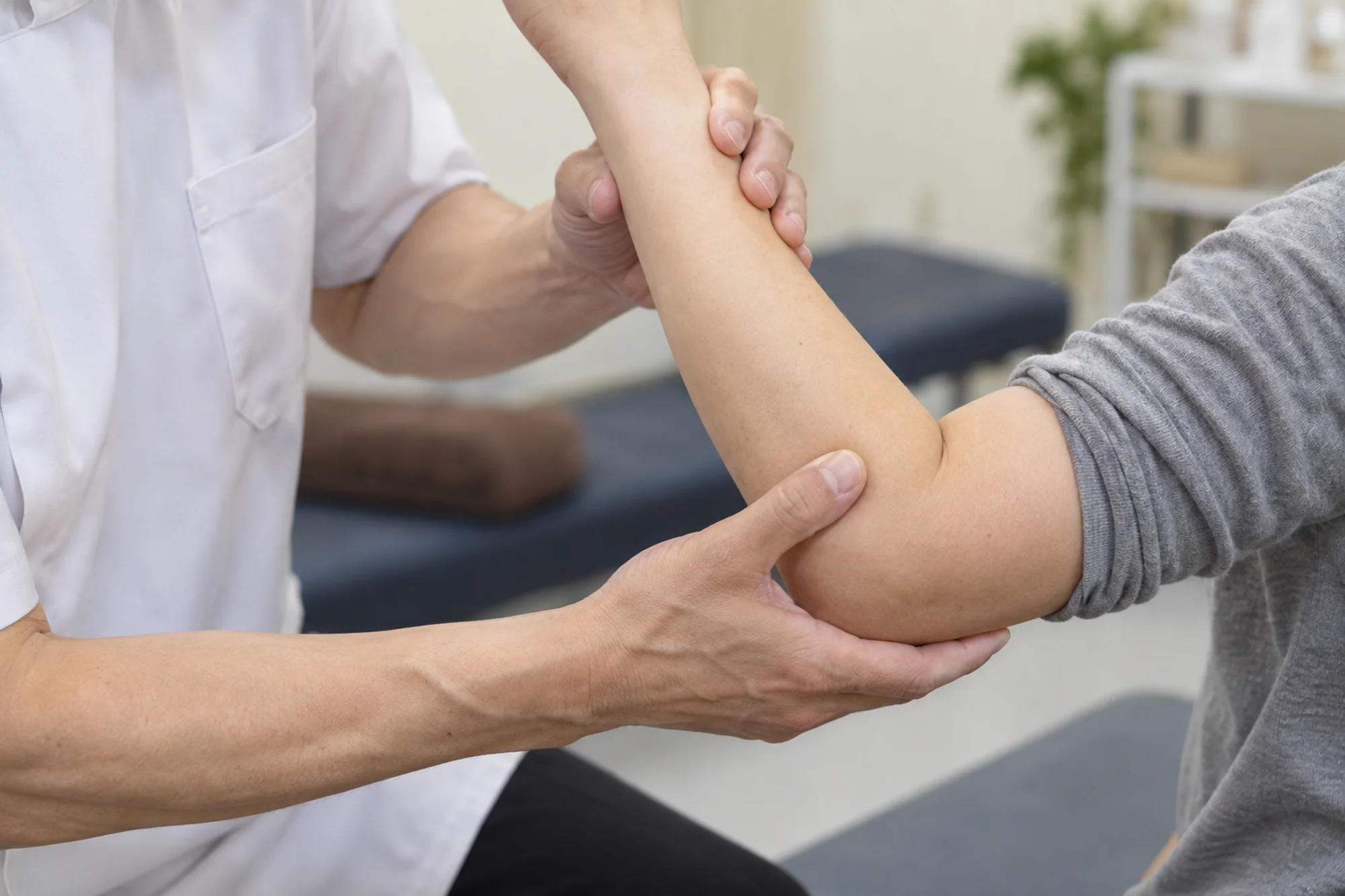
How often to visit
For sudden acute lower-back pain, a typical plan is daily visits for the first 2-3 days, followed by twice-weekly visits for 2-3 weeks.
For chronic lower-back pain, the guide is 8-12 visits at 1-2 visits per week. Many people notice a change in pain around the third visit and days when they do not think about pain around the eighth.
We explain your individual outlook based on your initial assessment.

Price guide
For an eligible acute traumatic injury under Japanese public health insurance, patients with a 30% copayment typically pay around ¥1,000-¥1,500 at the first visit and a few hundred yen thereafter. This varies with the number of injured areas and treatment provided.
For self-pay care for chronic lower-back pain, posture and pelvis care (30 minutes) costs ¥4,400. A five-visit pass is available for ¥19,800. Please see our prices for details.